April ‘26
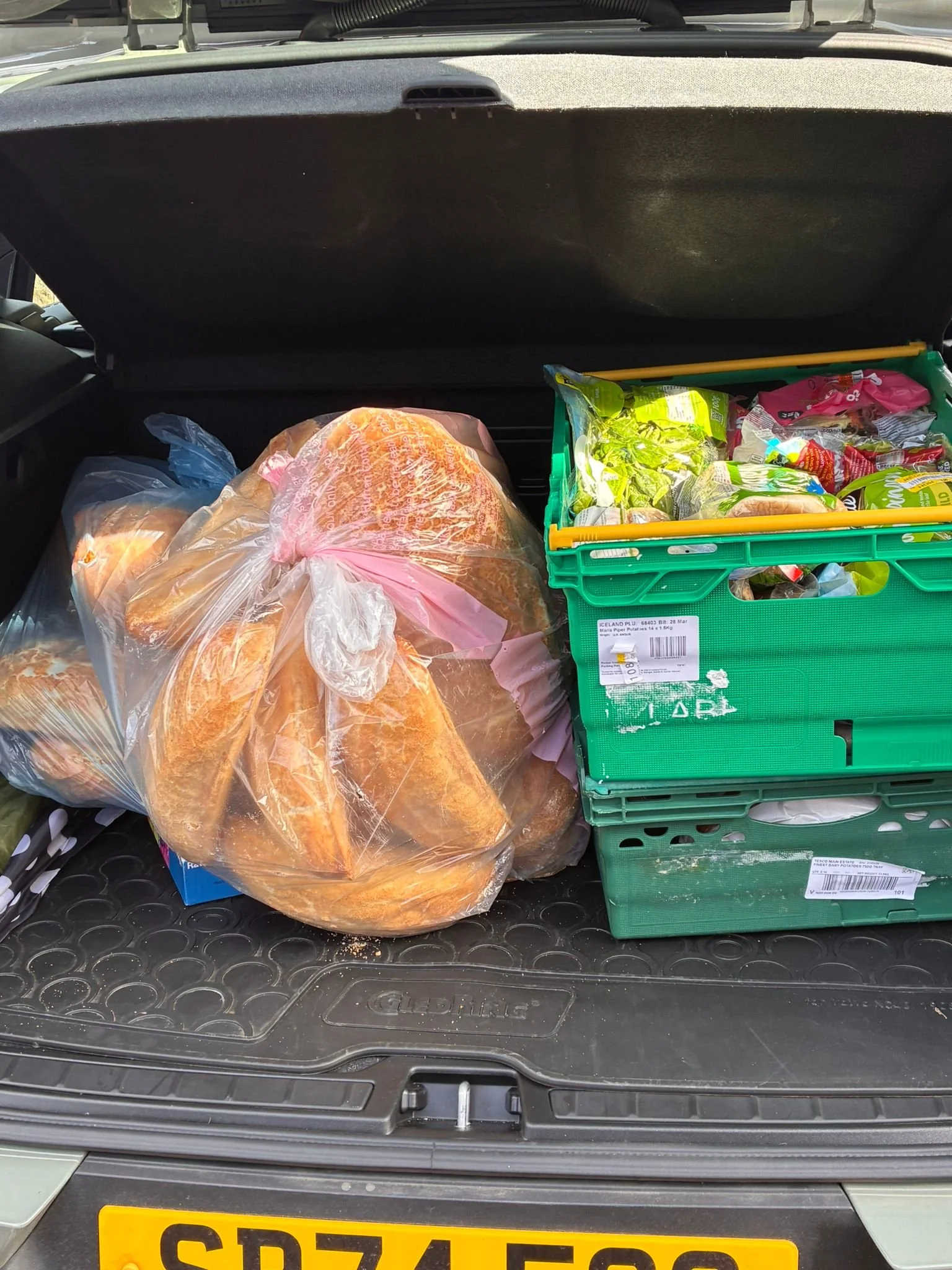
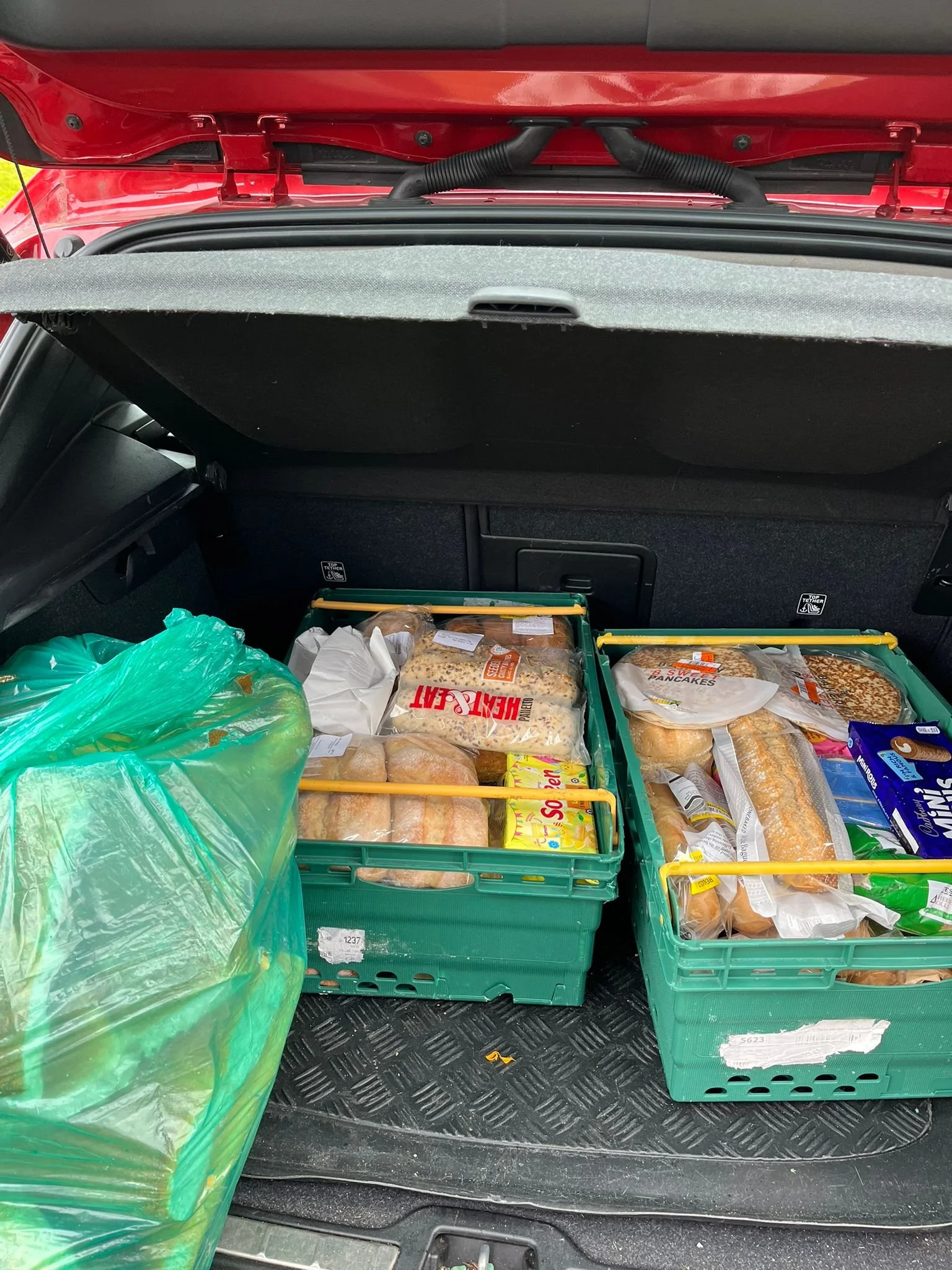
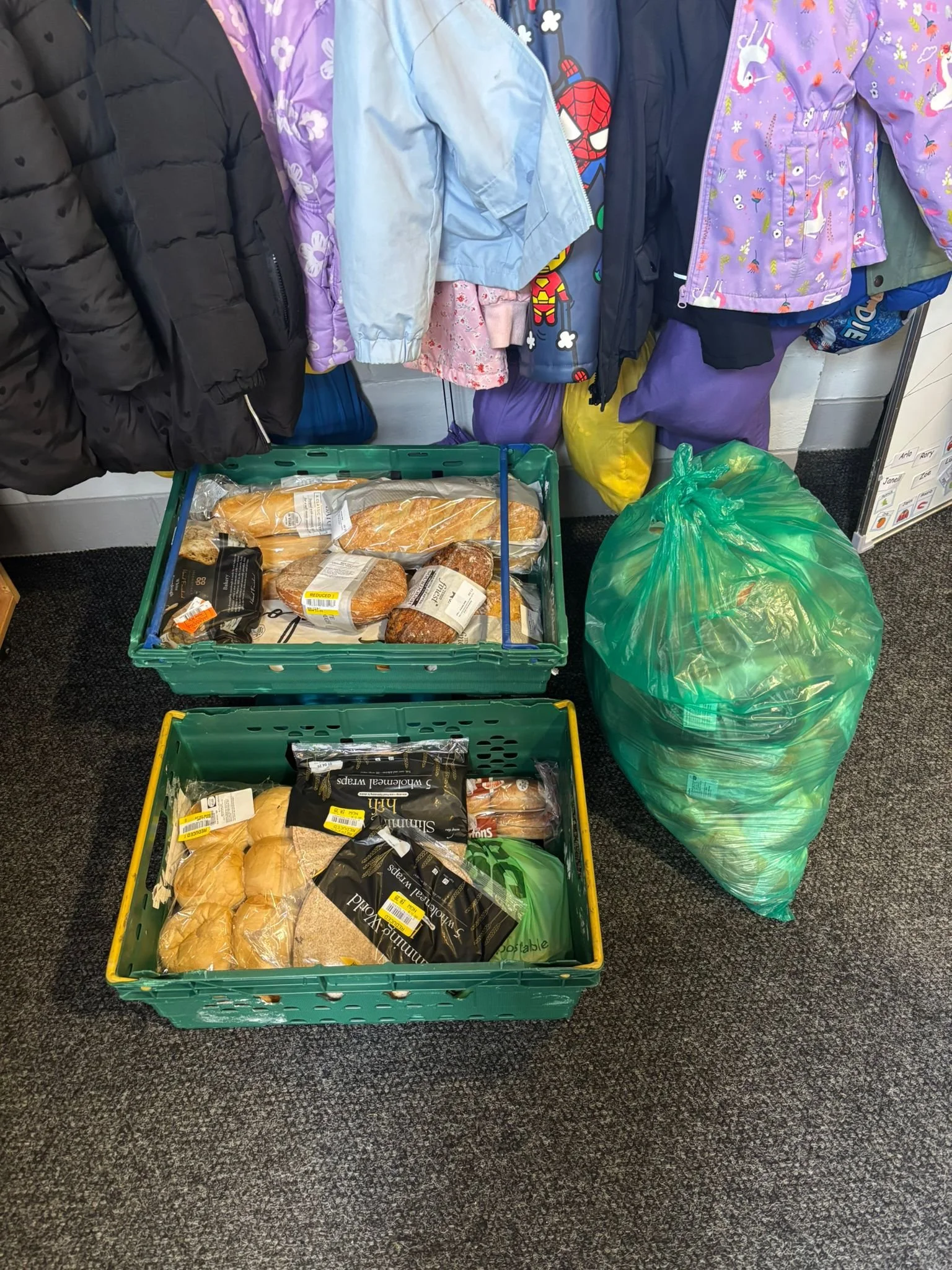
April has been a busy and rewarding month, filled with sowing seeds in Inverclyde Early Learning Centres, supporting community gardening at Parklea and coordinating the redistribution of surplus supermarket food from Branchton to Early Learning Centres, Central Library and a range of community organisations.
Across these activities, a common theme has continued to shine through: the power of growing, sharing, and working together to build healthier, more connected communities.
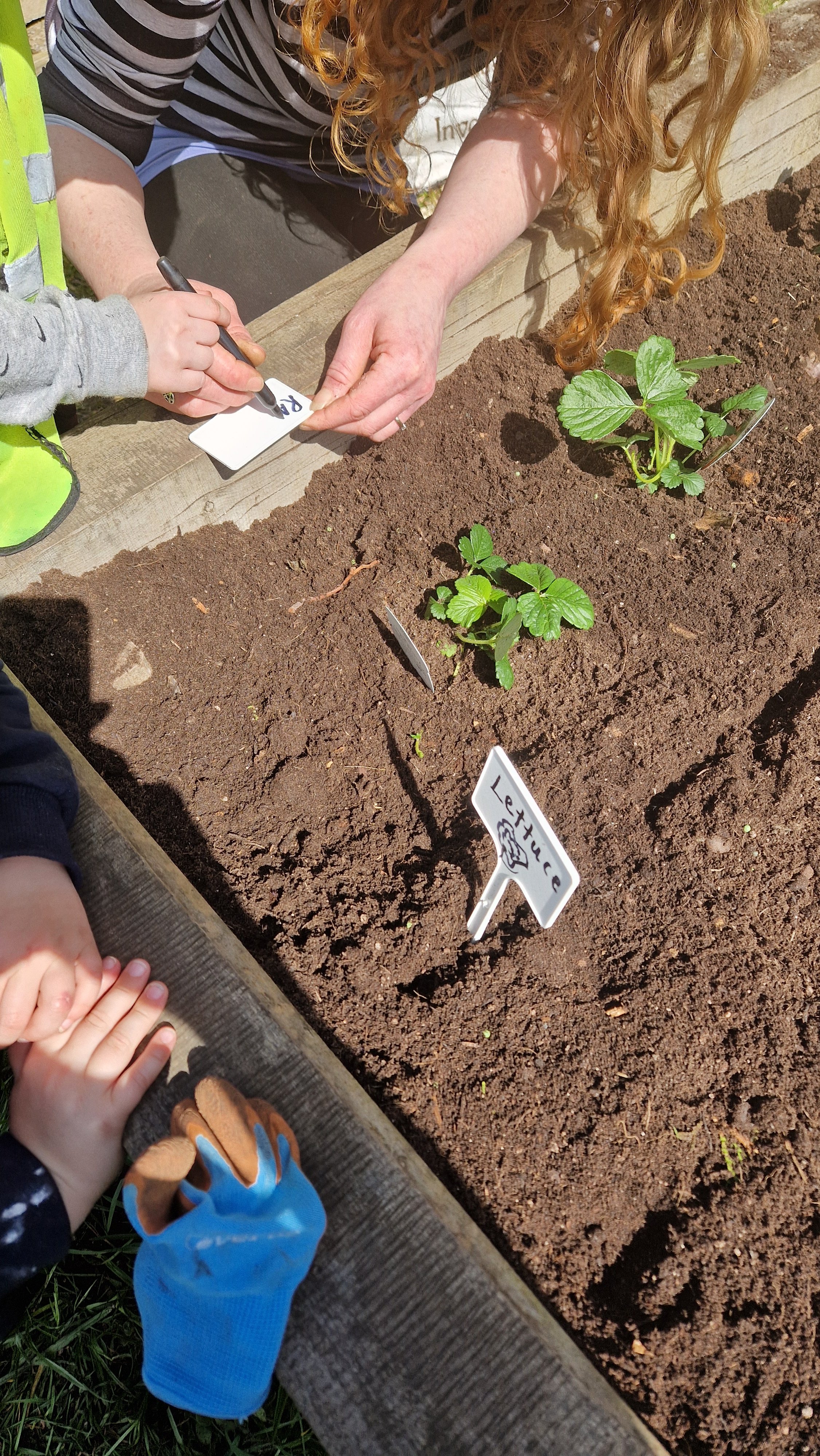
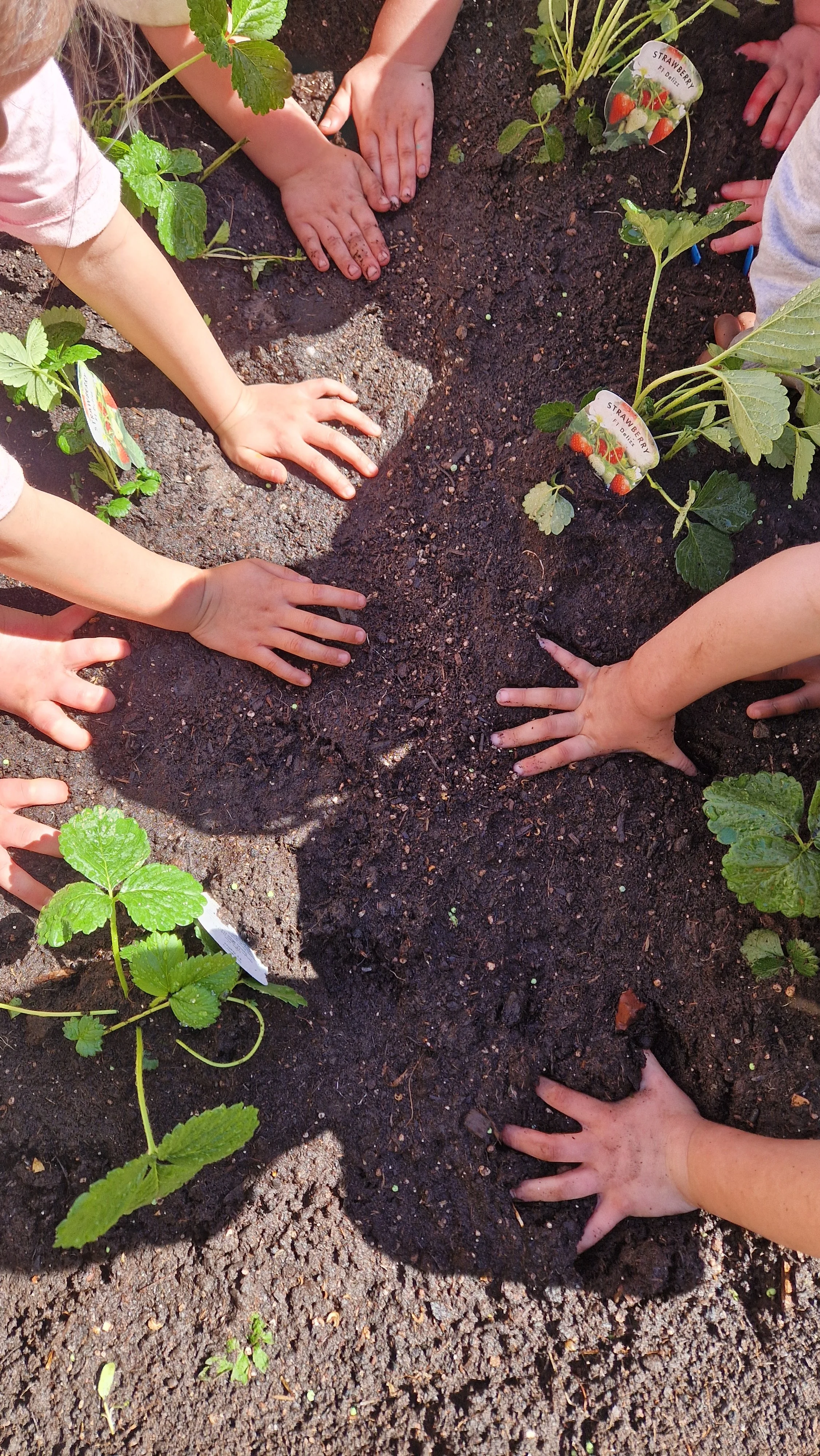
Early Years Growing: Building Lifelong Healthy Eating Habits
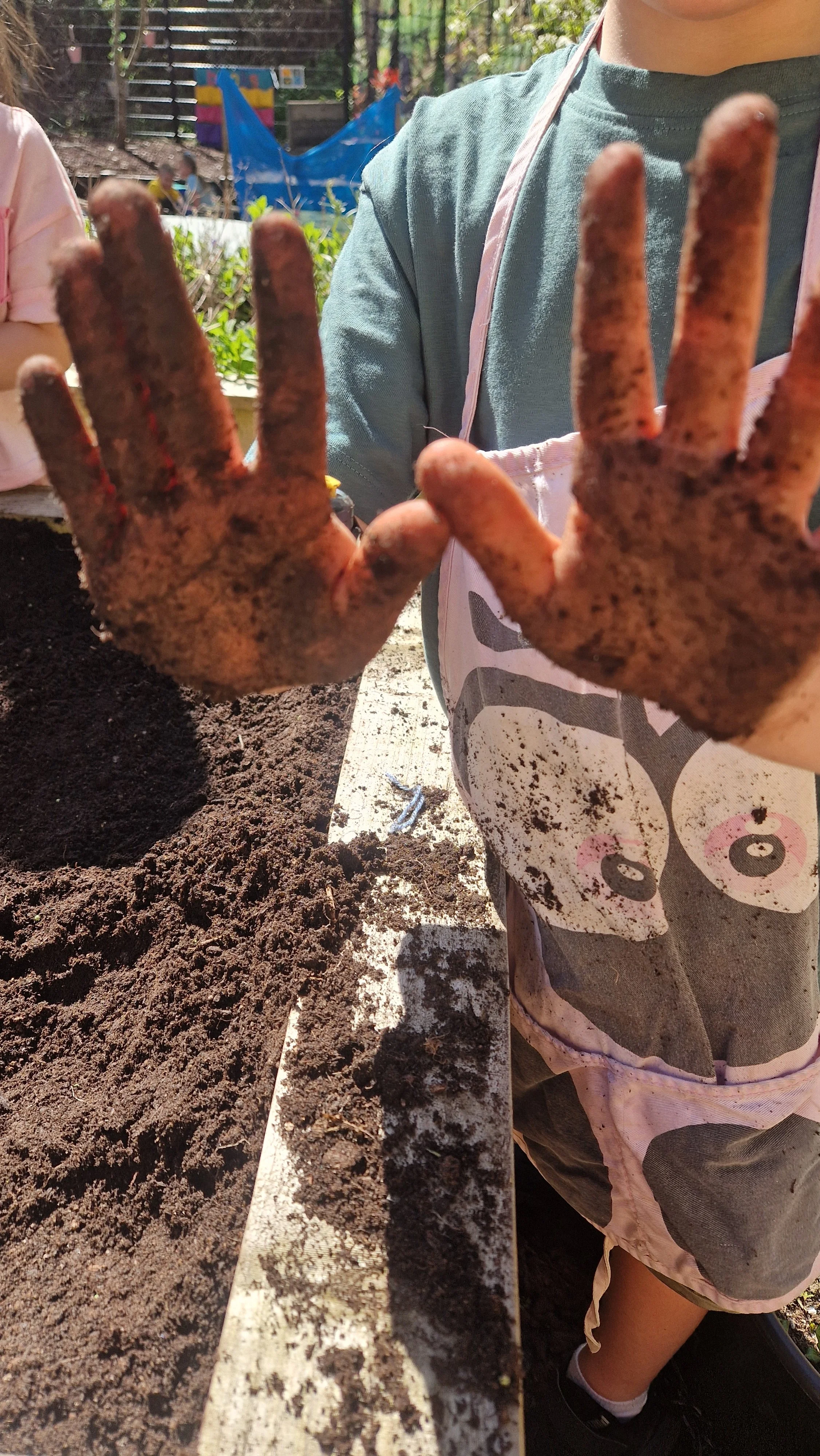
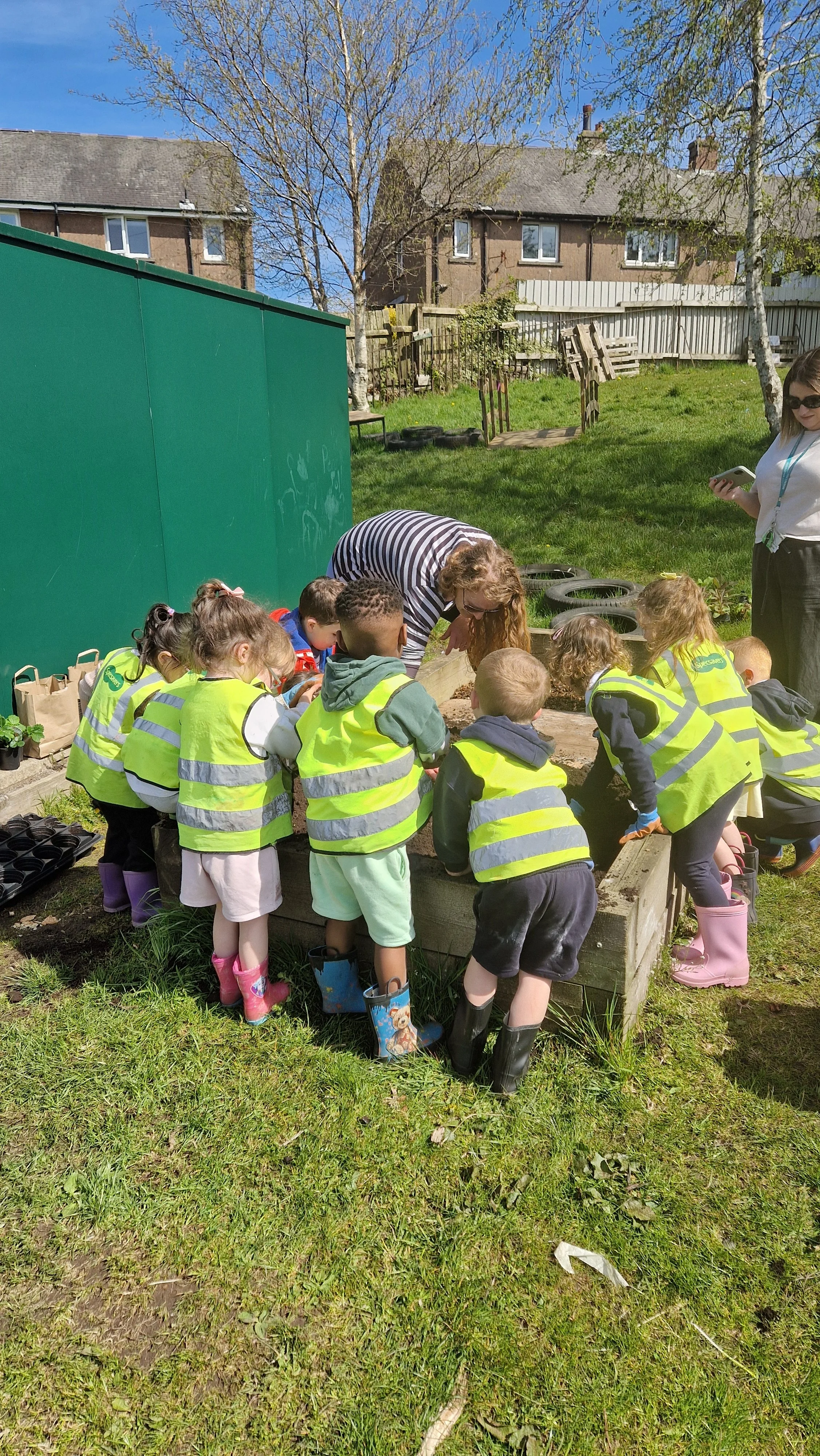
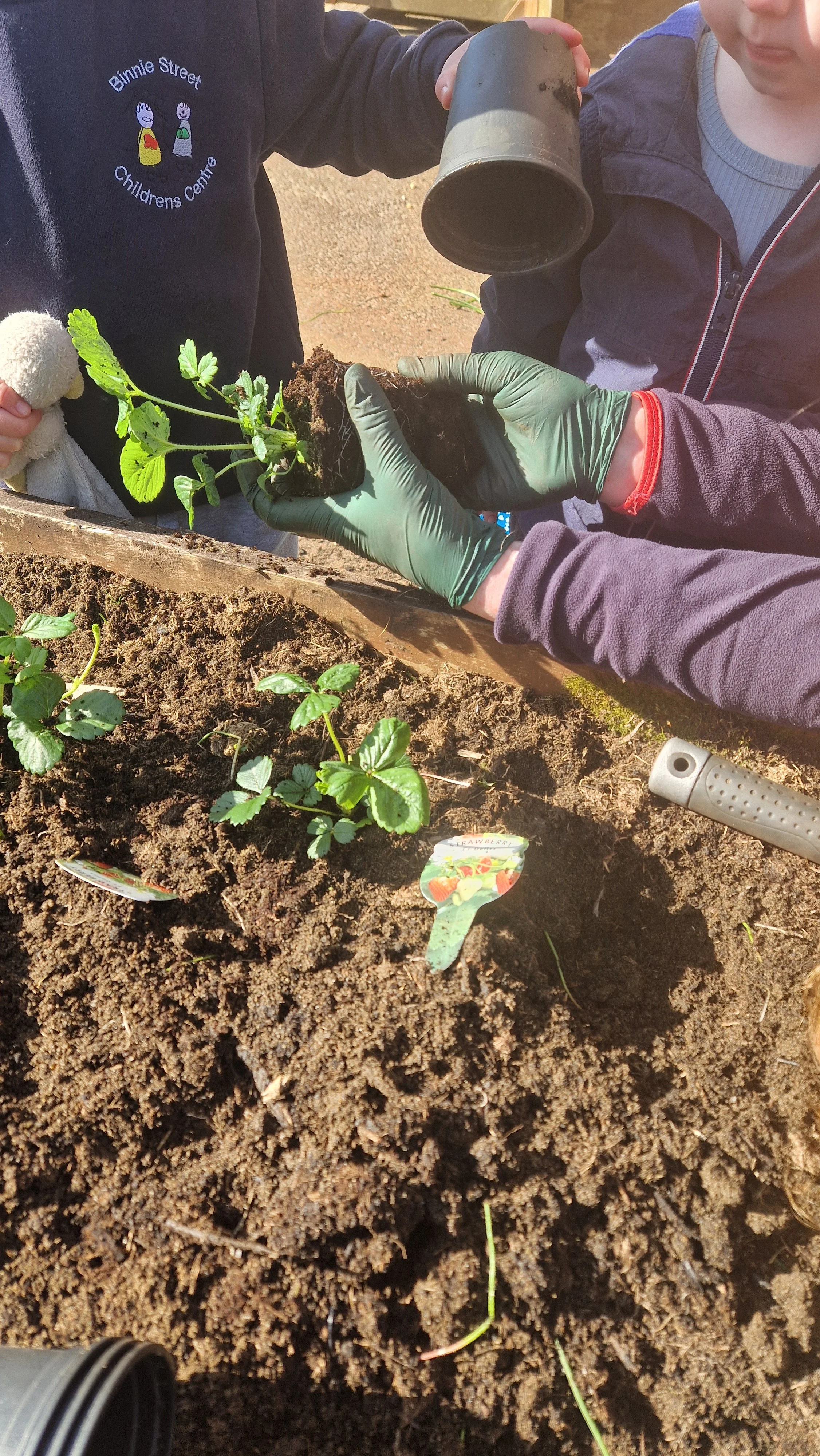
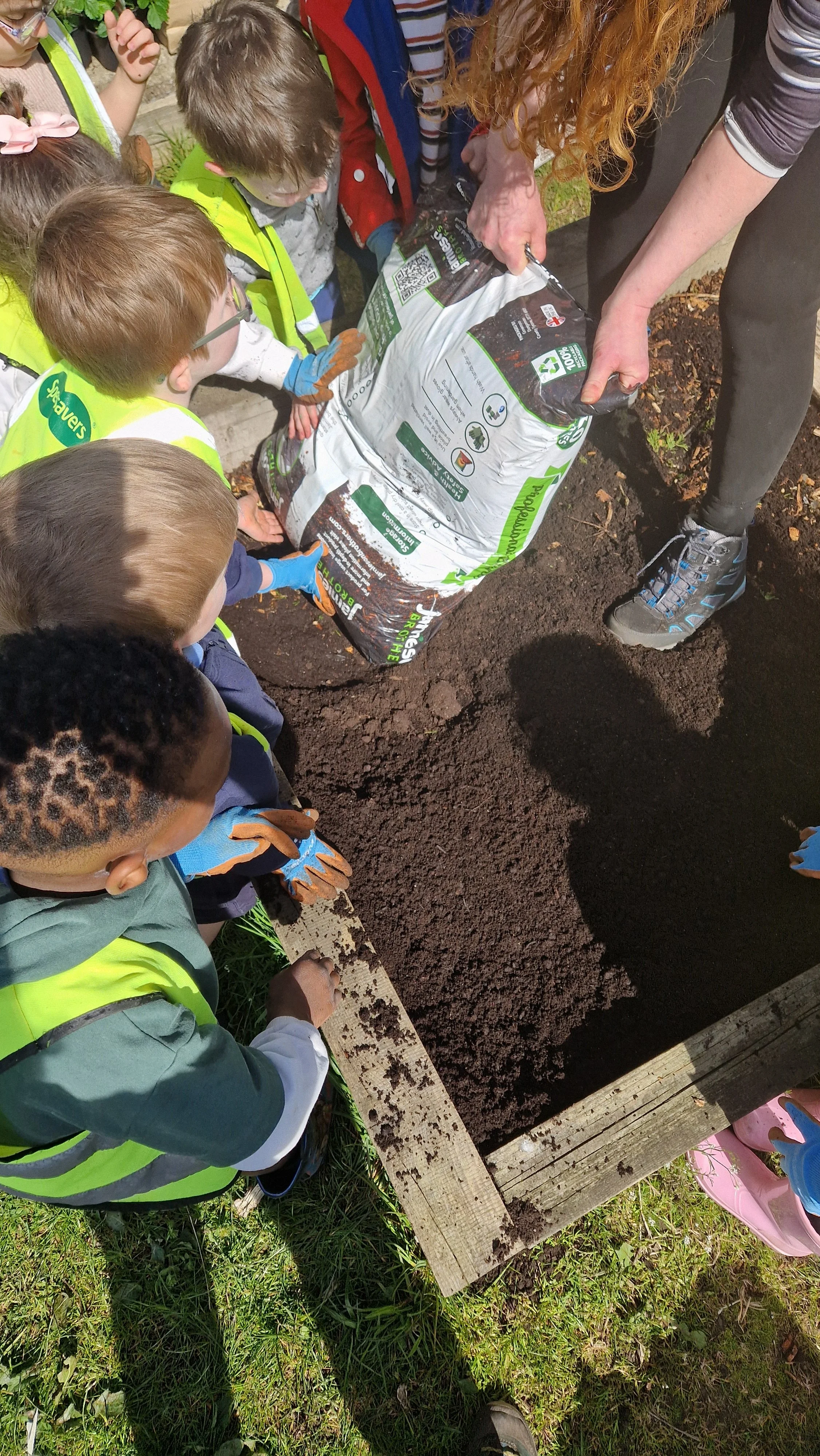
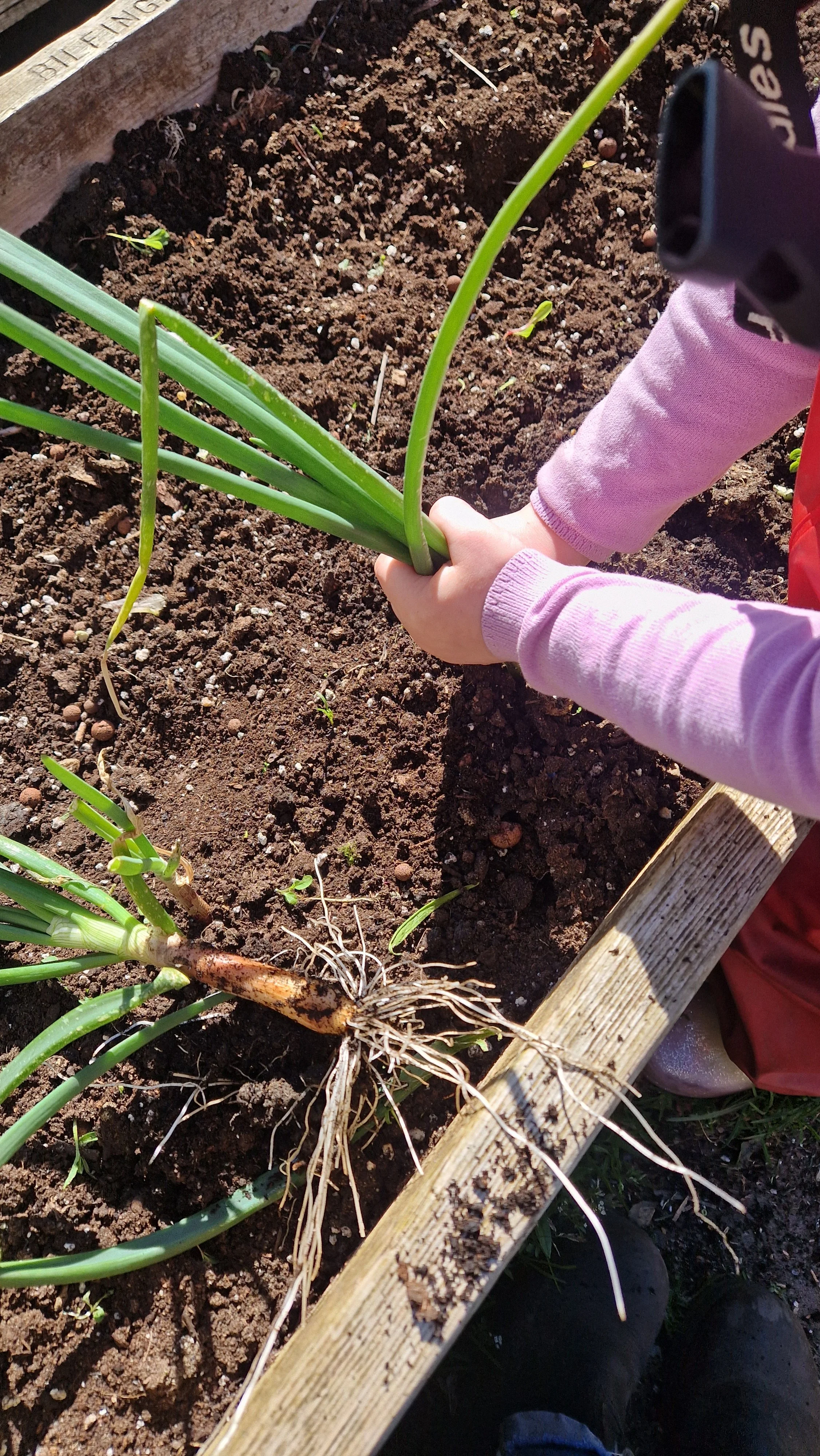
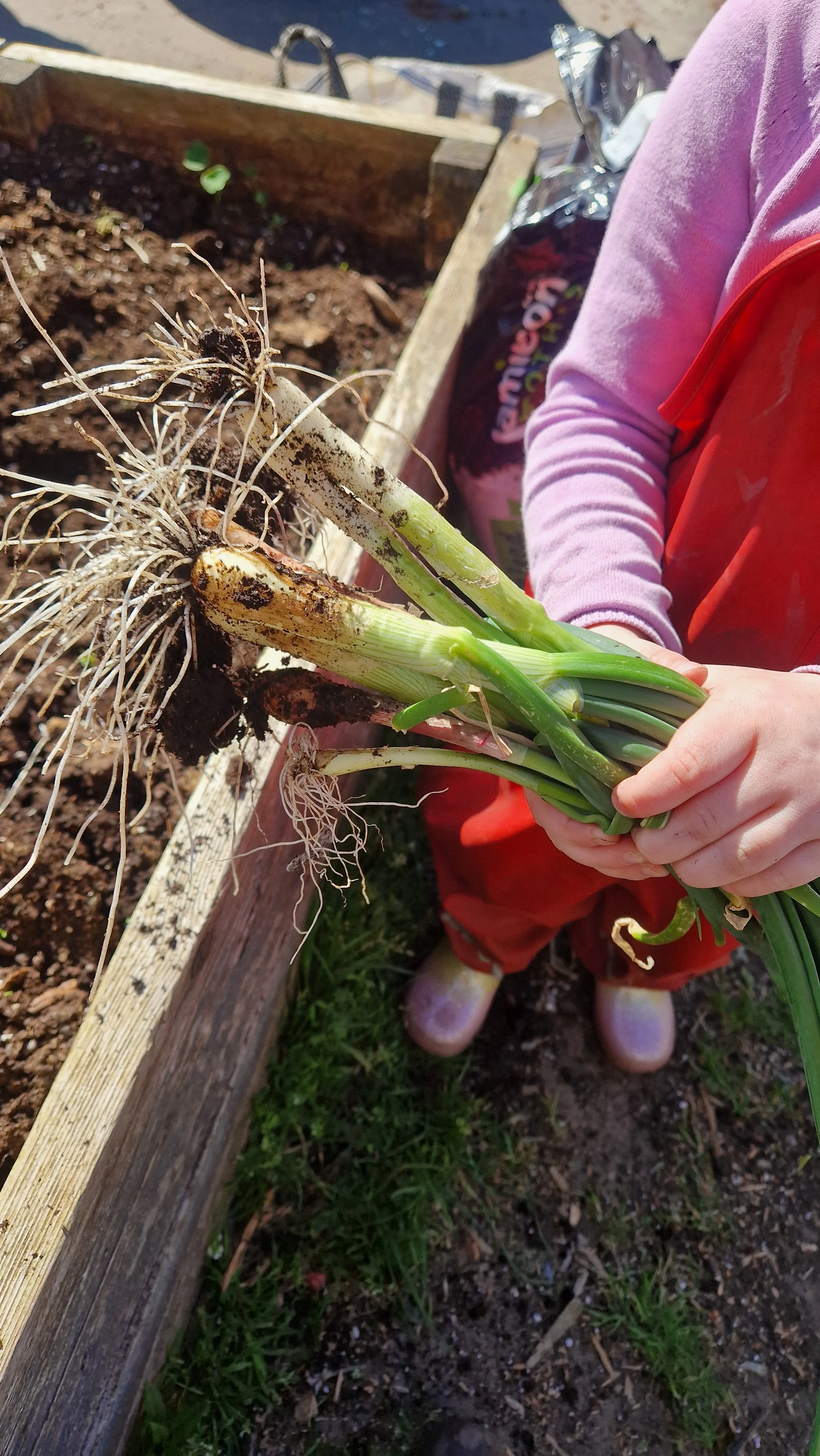
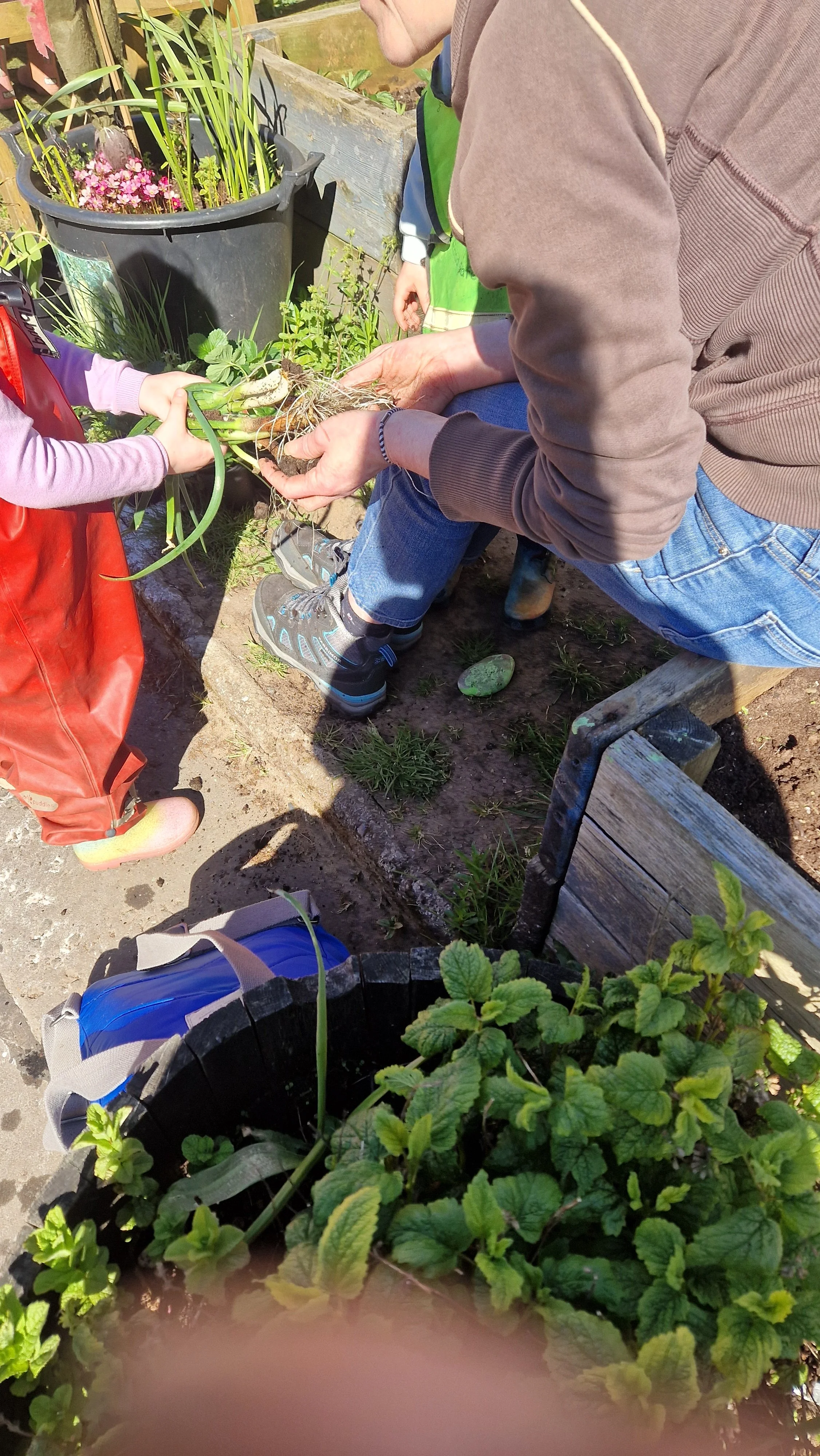
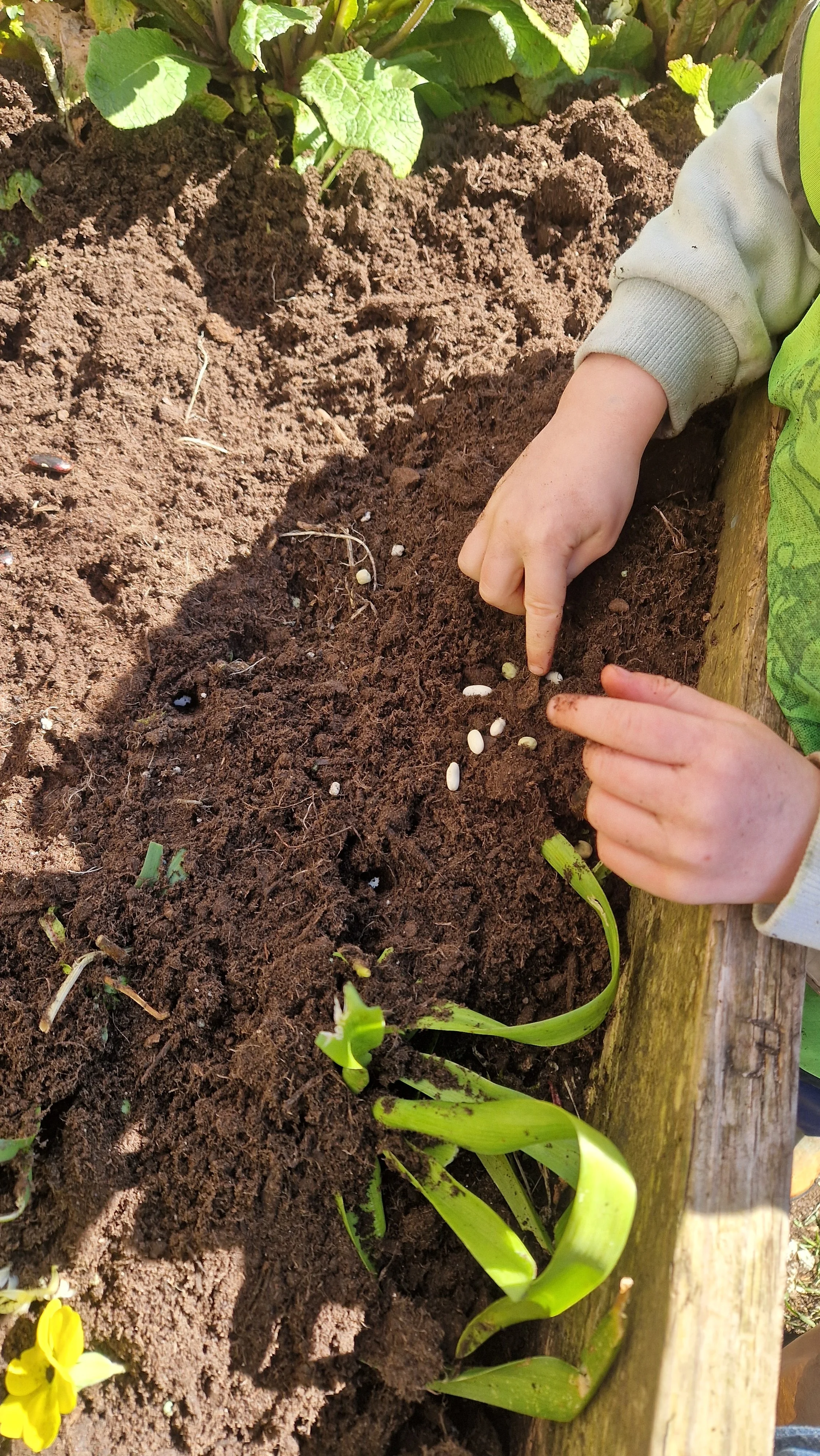
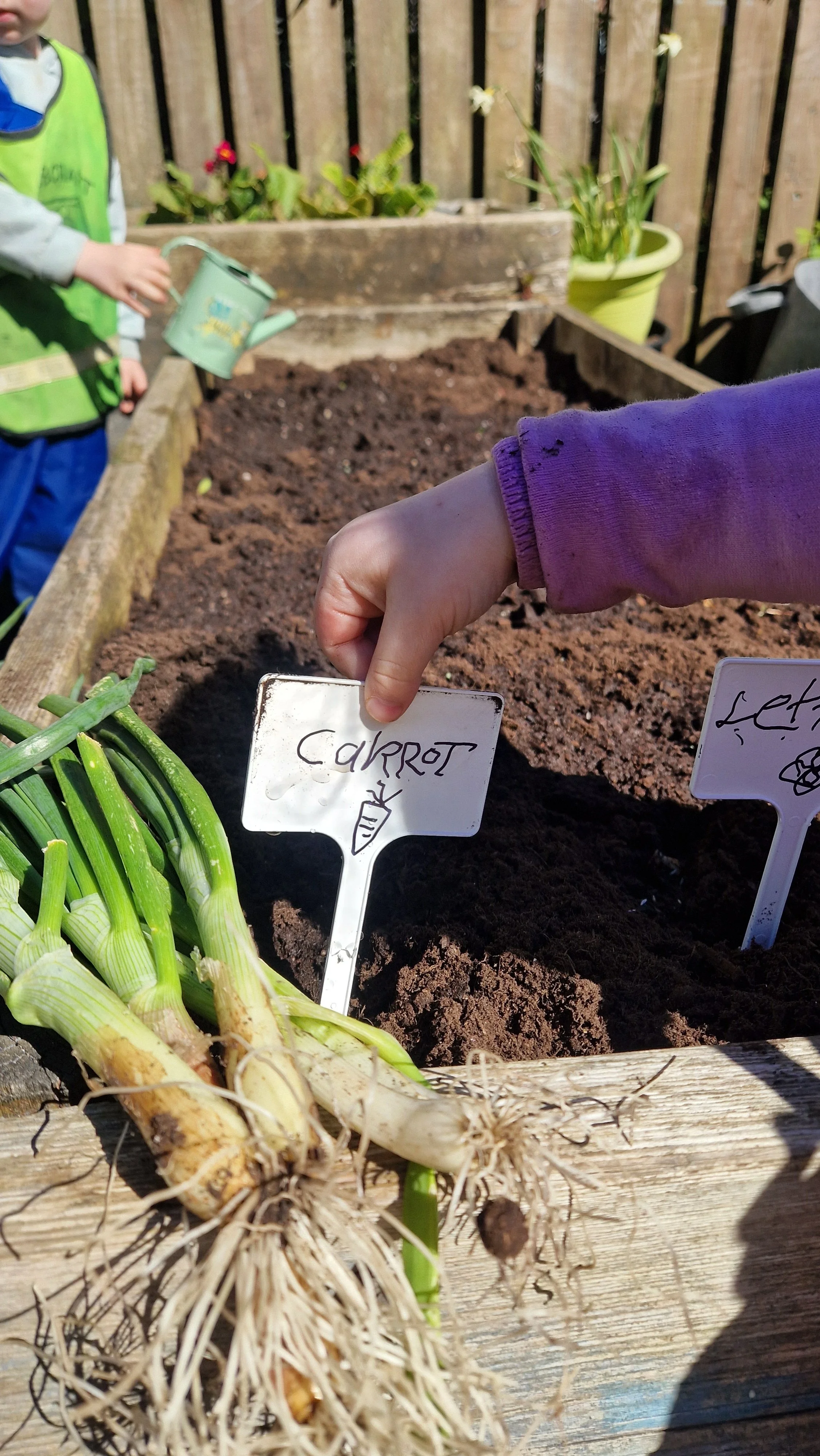
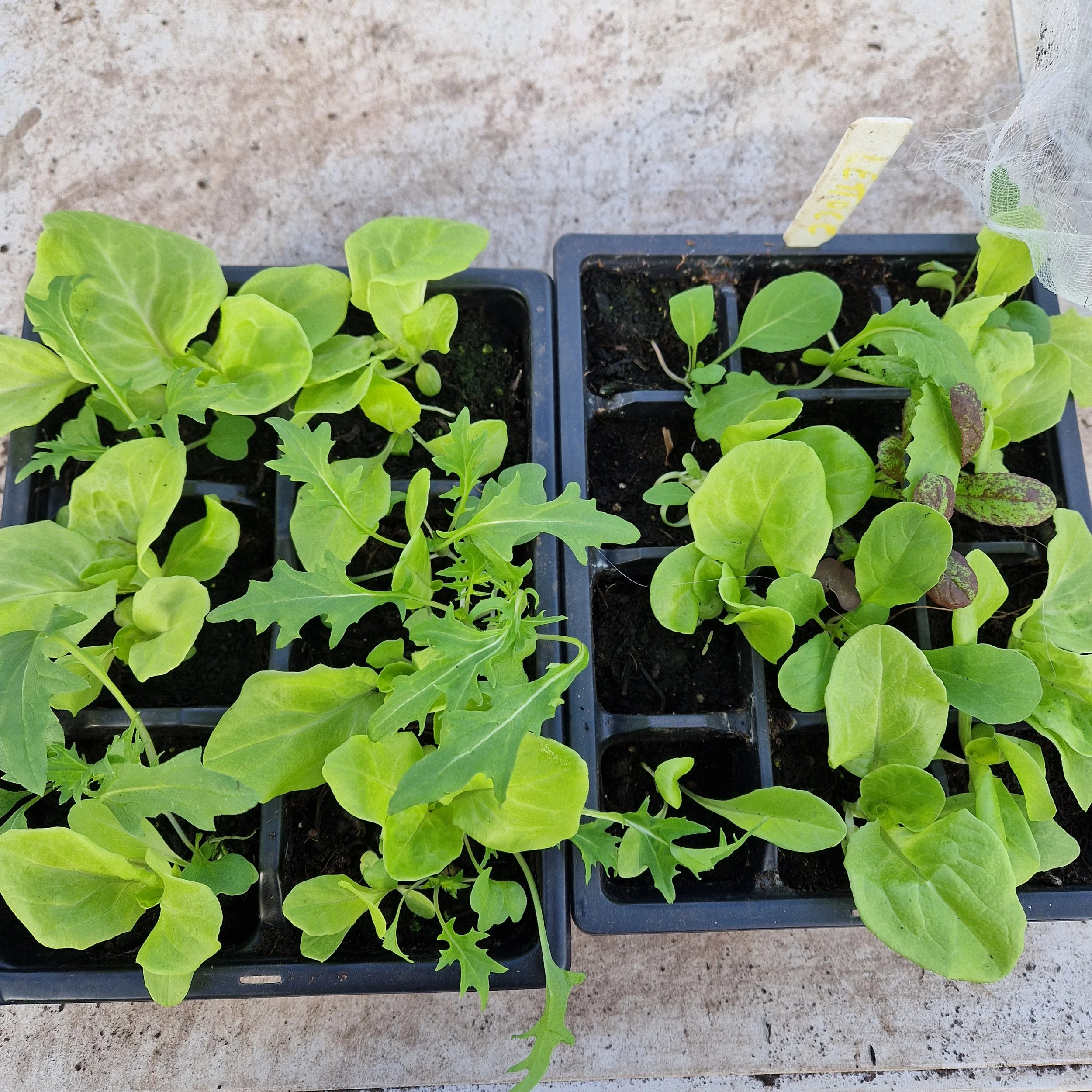
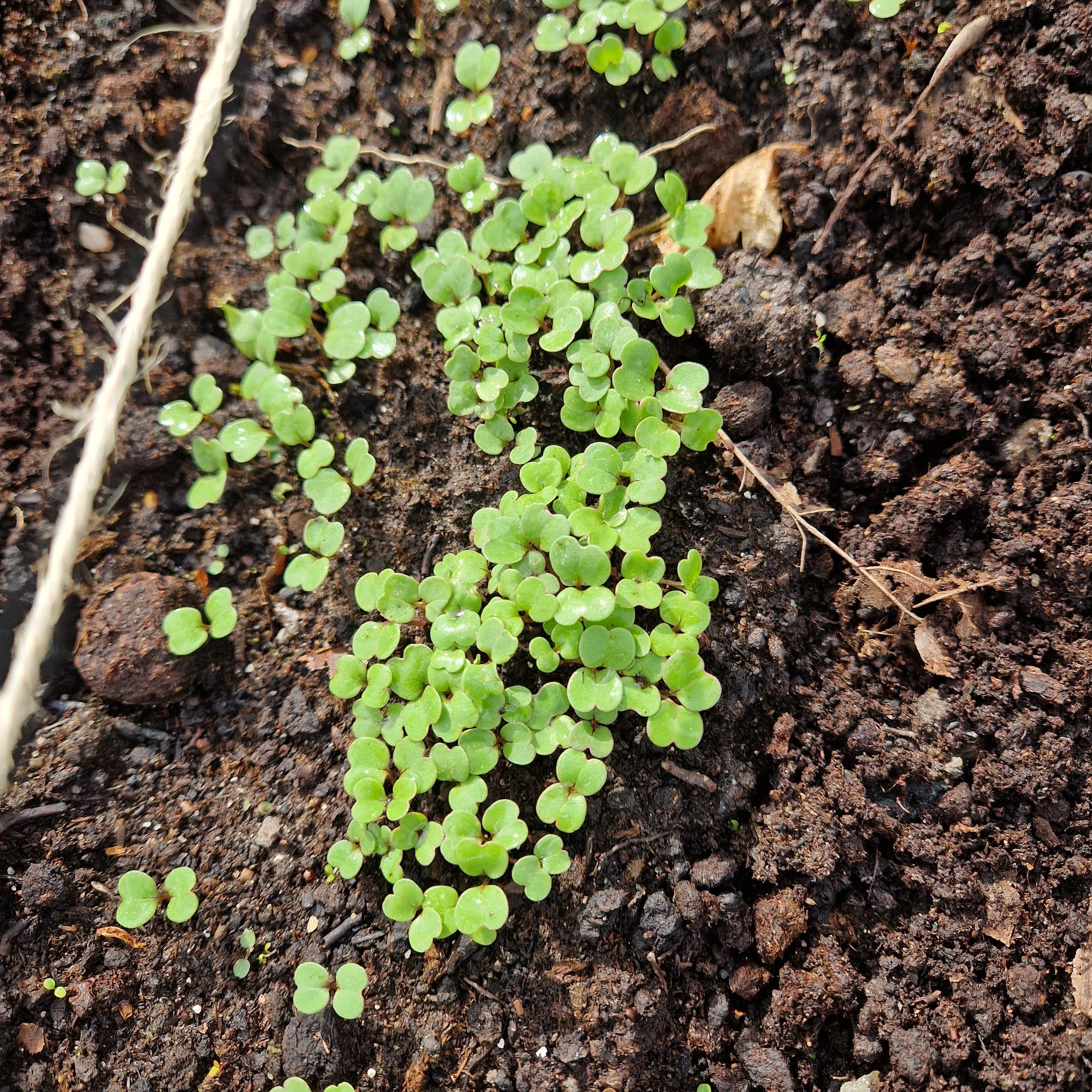
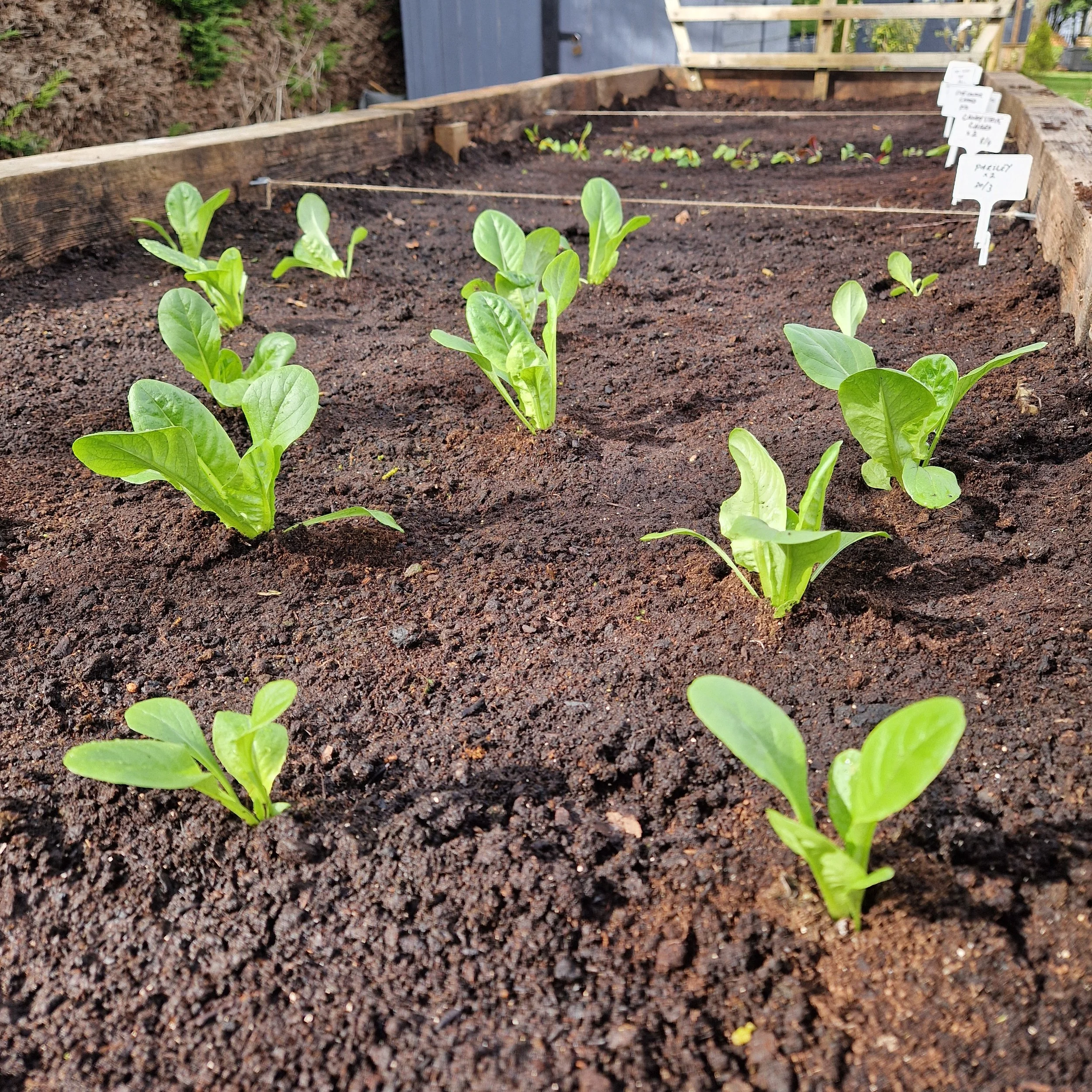
Engaging children in growing fruit and vegetables from an early age plays a vital role in shaping positive relationships with food. When children plant seeds, water them, watch them grow, and eventually taste what they have nurtured, they develop curiosity, confidence and a far stronger willingness to try fresh produce.
These early experiences help establish healthy eating habits that can last a lifetime. Vegetables and fruits become familiar, enjoyable and part of everyday life rather than something unfamiliar or avoided. In addition, hands-on growing supports wider development in young children, including patience, responsibility, sensory learning and teamwork.
Just as importantly, it creates meaningful opportunities for families to engage together, strengthening confidence to continue growing at home.
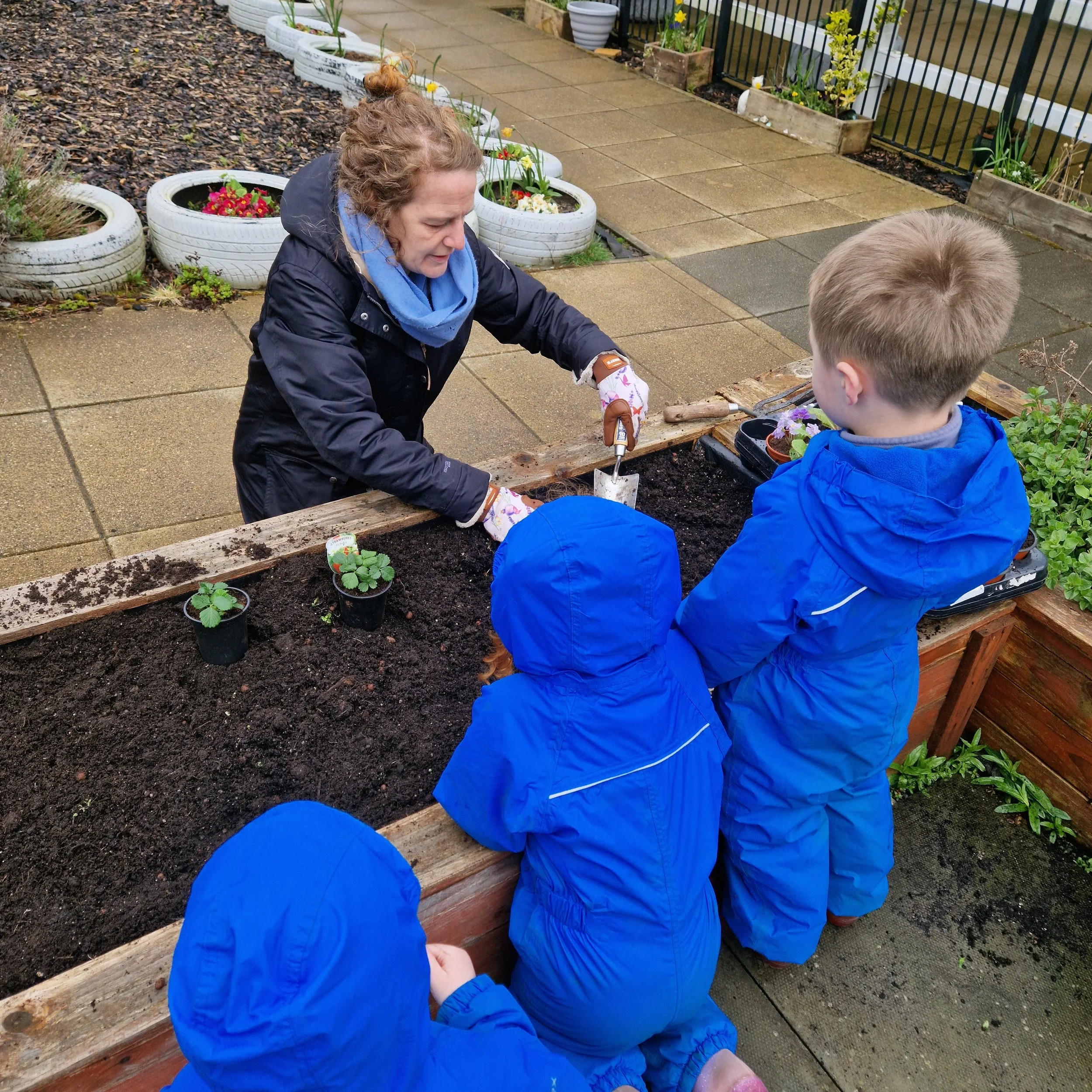
One of the nursery sessions at Whinhill was a fantastic example of this, with parents and carers joining in. It was wonderful to see such strong engagement, interest and enthusiasm and to have the opportunity to talk together about growing at home and sharing ideas for small, simple ways to continue this at family level.
Community Gardening: Skills, Connection and Sustainability
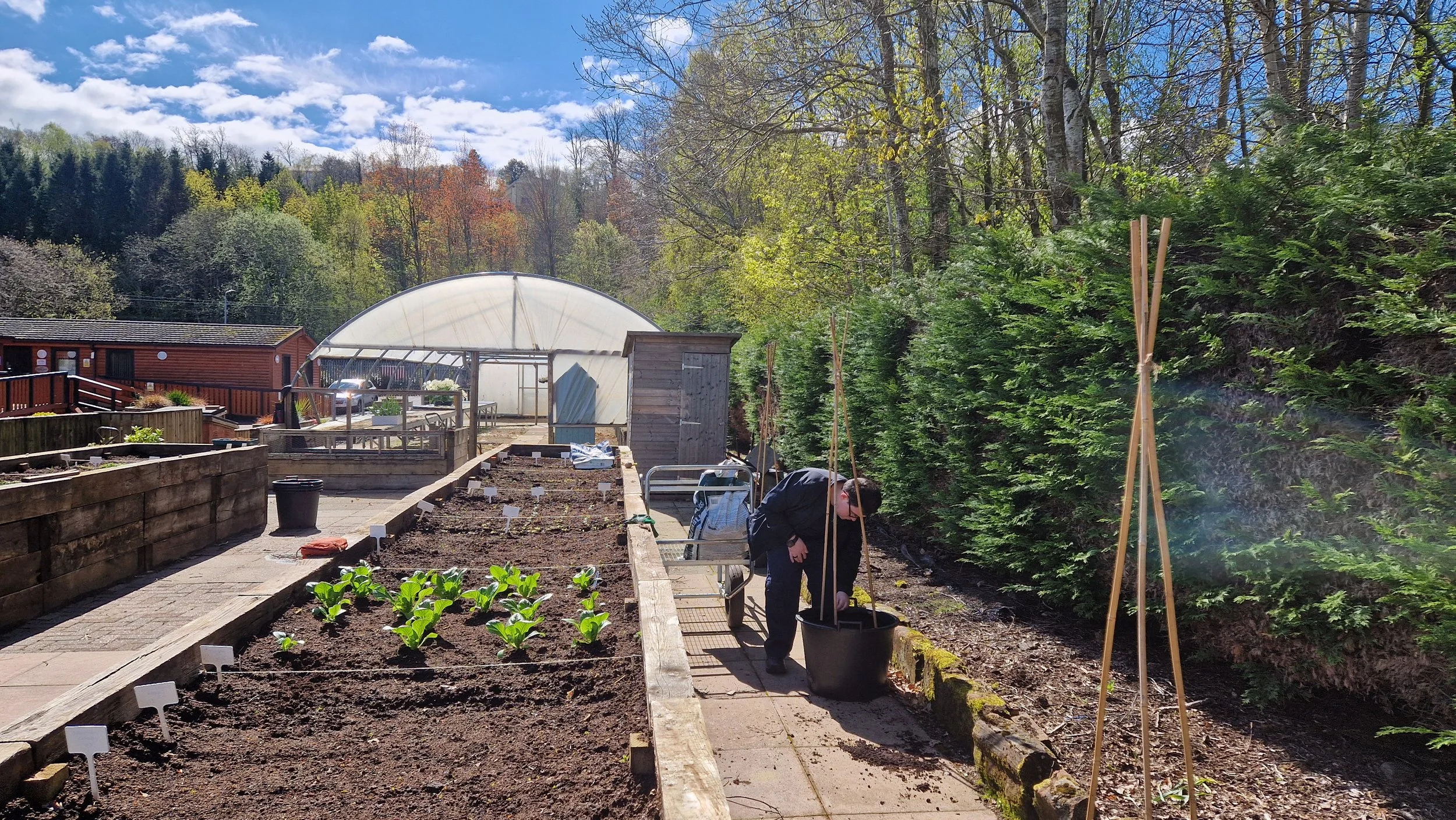
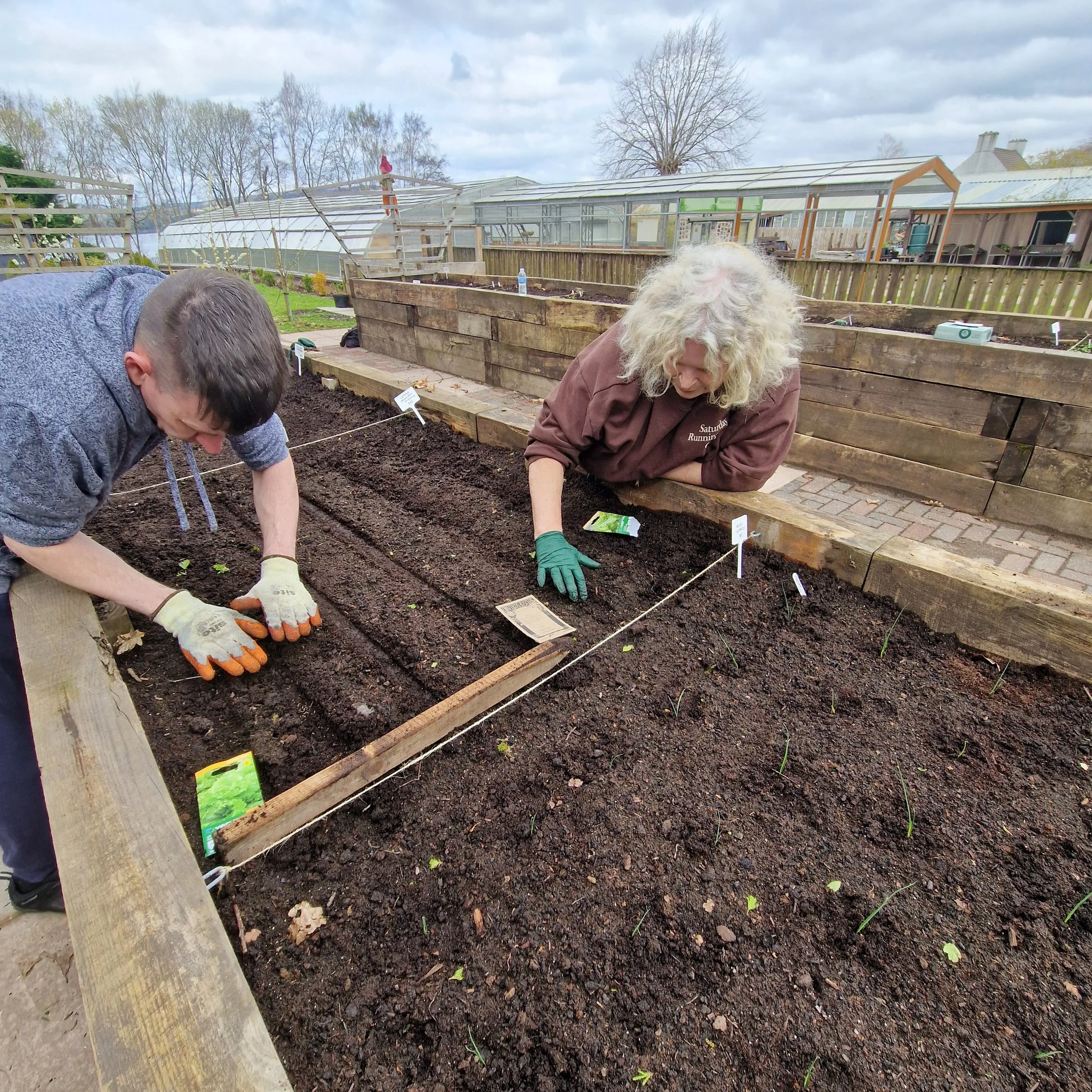
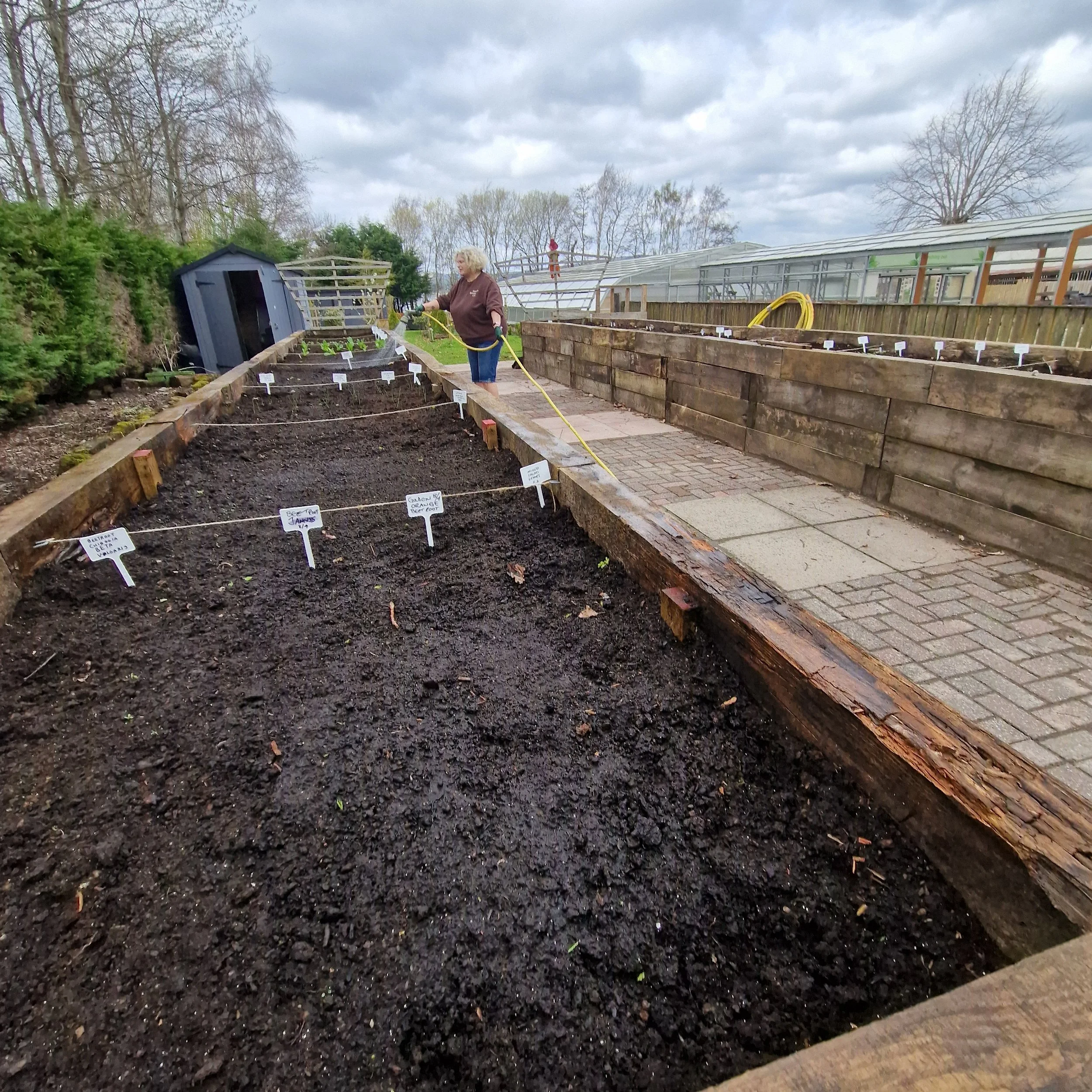
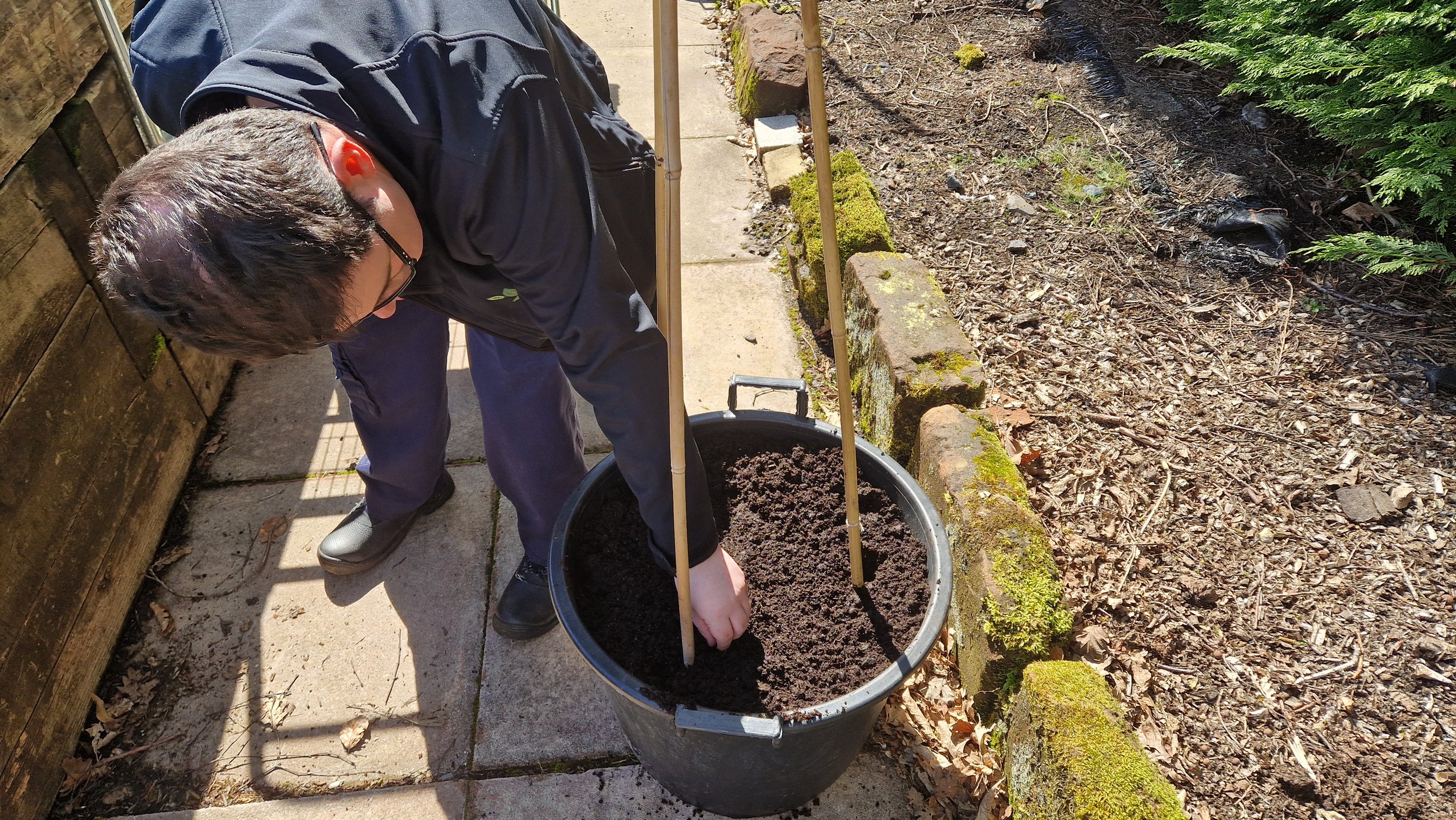
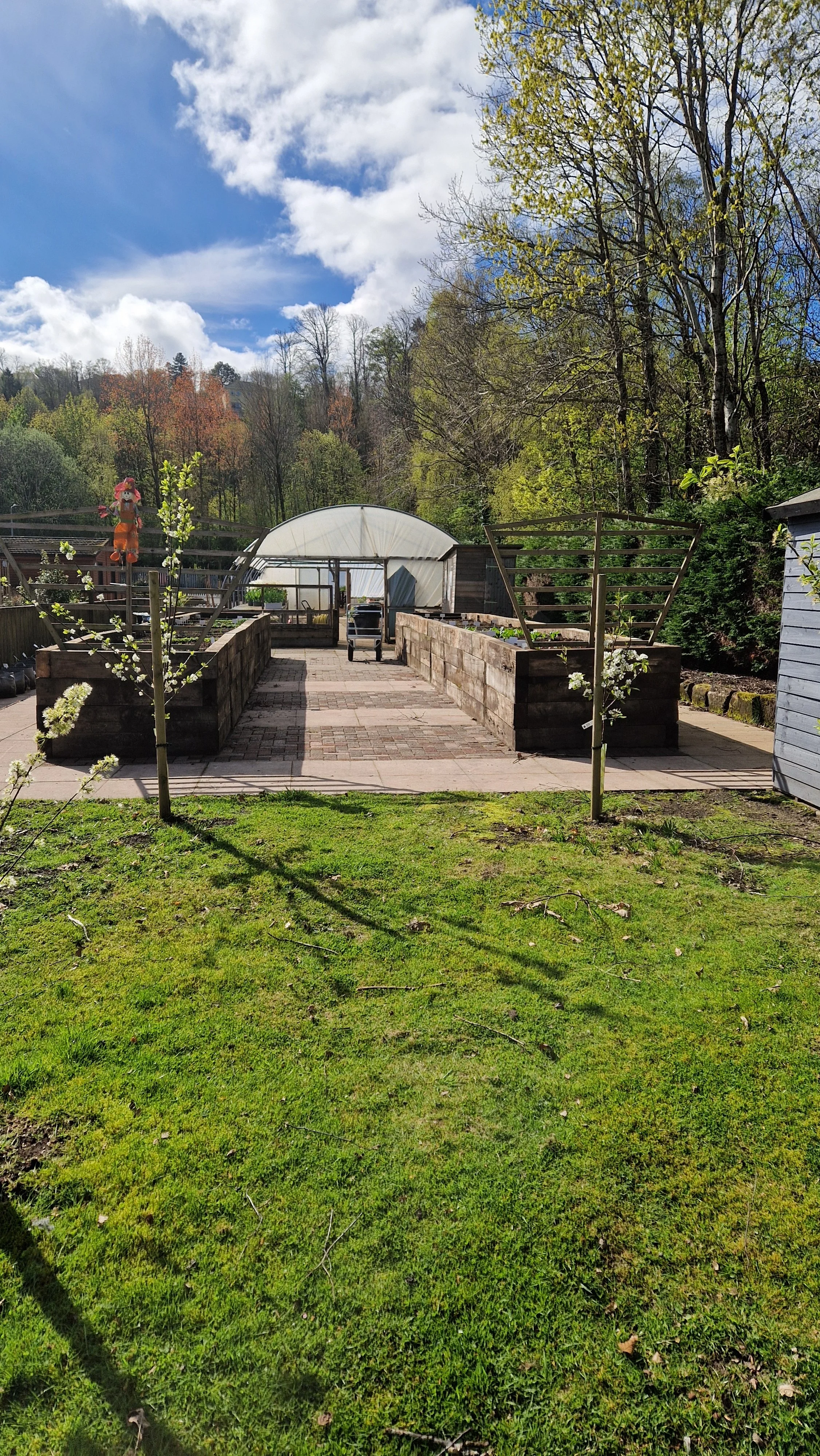
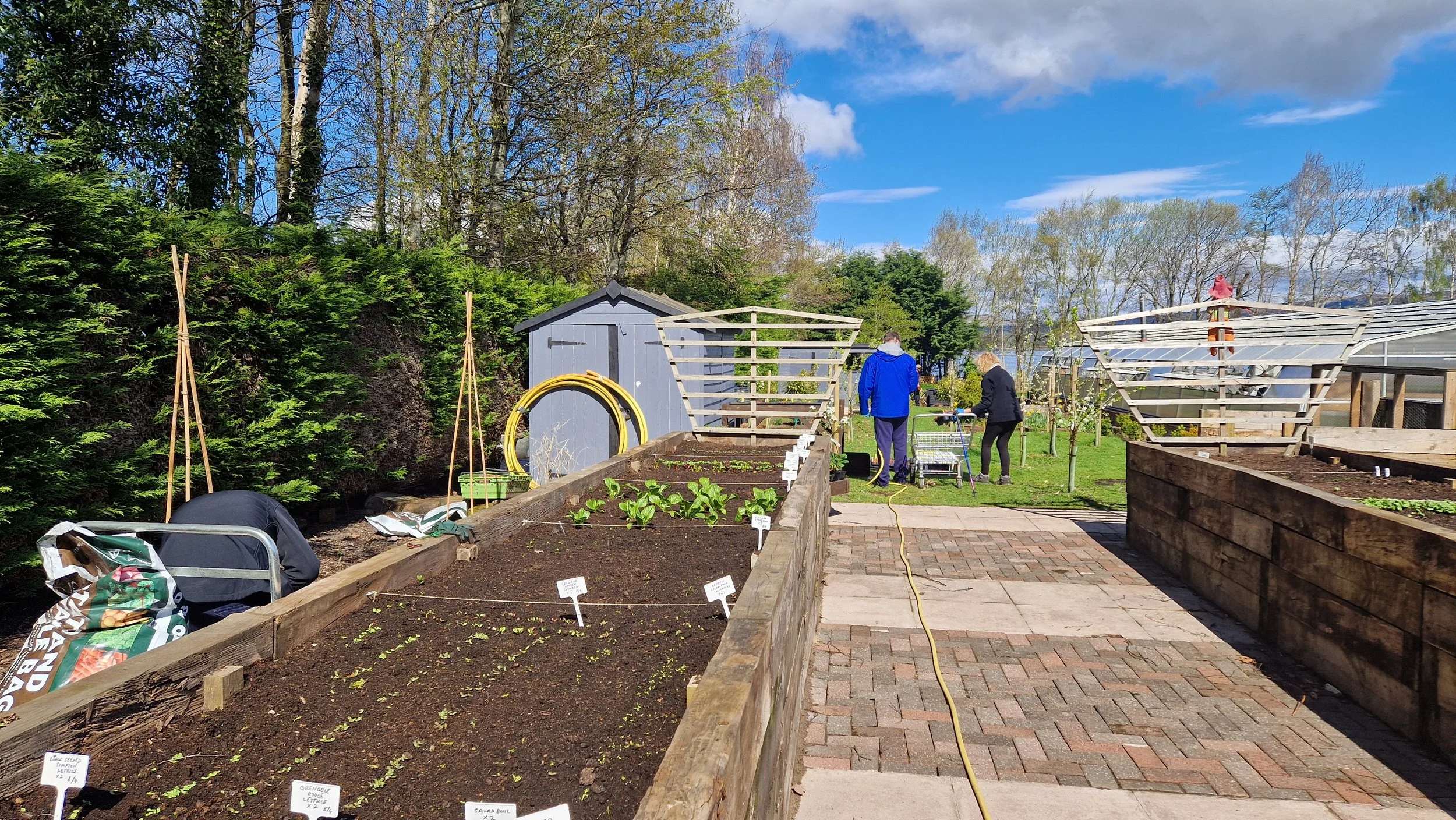
Community gardening at Parklea continues to provide a valuable space for learning and connection. These shared growing spaces are not just about food production, they are about building skills, confidence, and relationships.
Participants develop practical gardening skills while also benefiting from social interaction and peer support. Community gardens bring people together across generations and backgrounds, reducing isolation and strengthening local networks.
They also play an important role in promoting sustainability. By growing locally and sharing knowledge, community gardening helps reduce environmental impact while encouraging a more thoughtful relationship with food and natural resources.
Tackling Food Waste: Supporting Families and the Environment
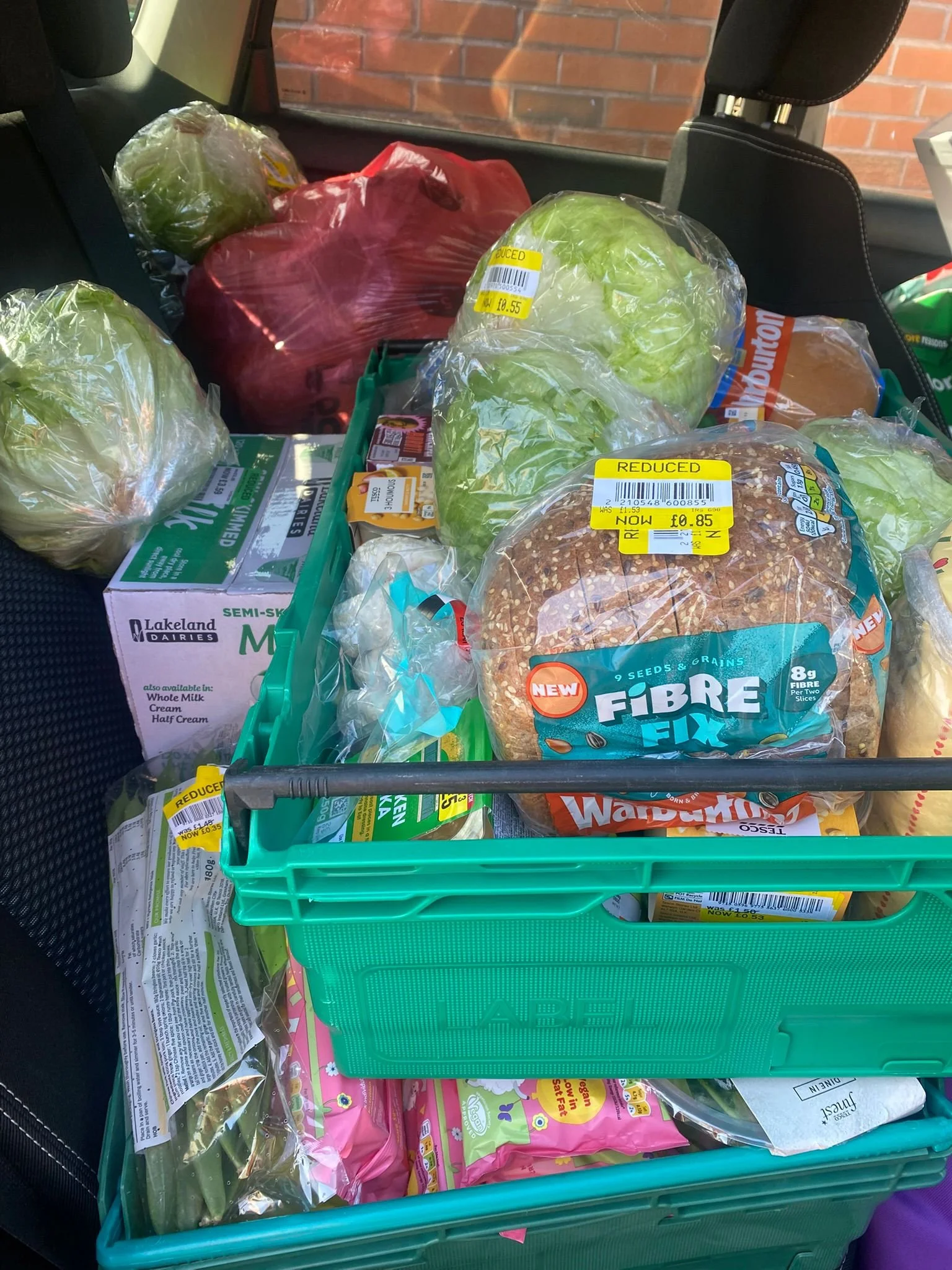
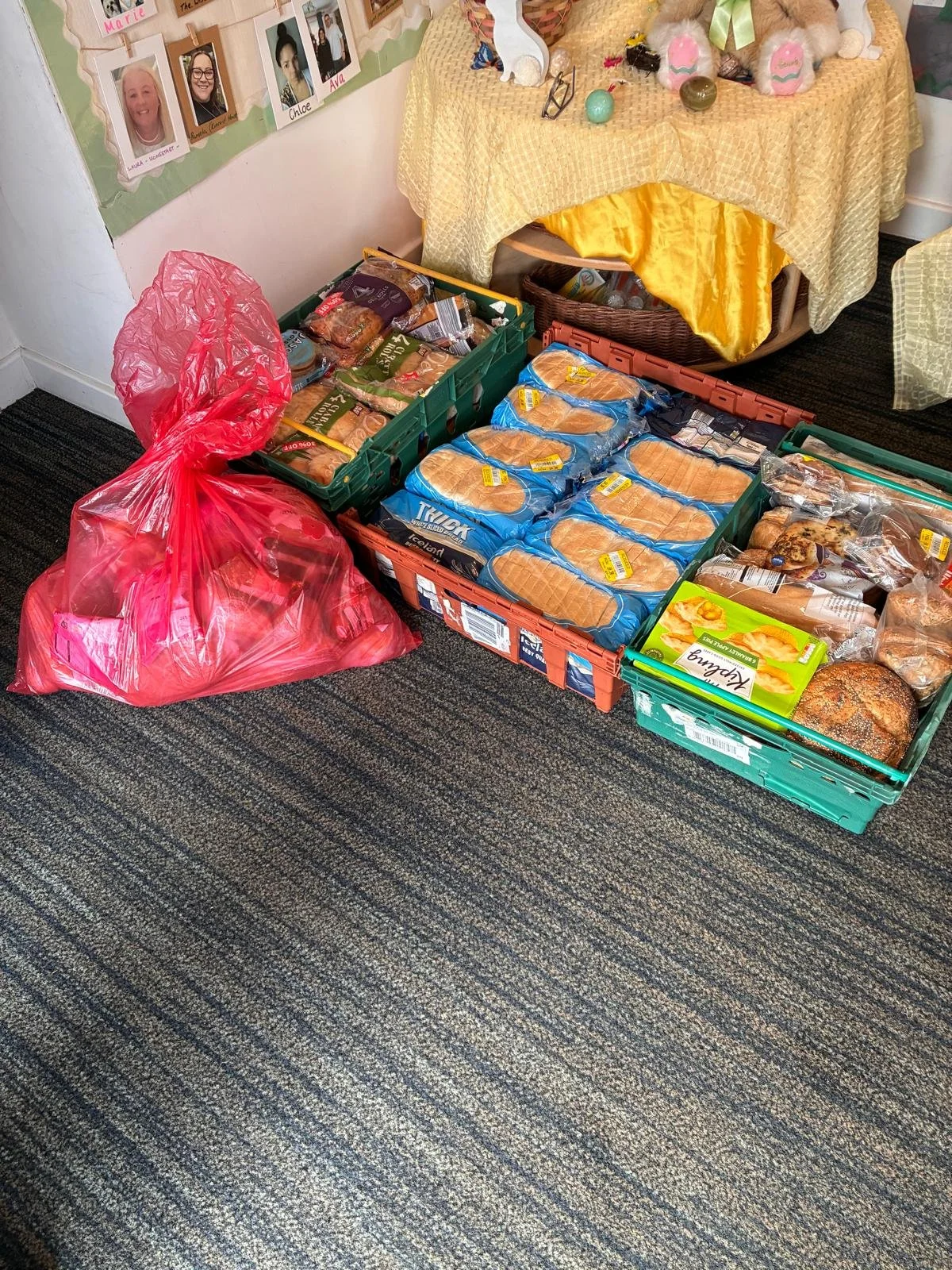
Another key part of this month’s work has been coordinating the collection and distribution of supermarket food surplus. This work has a direct and meaningful impact on families and community organisations across Inverclyde.
By saving food that would otherwise go to waste, we are helping to reduce pressure on household budgets at a time when the cost of living remains a challenge for many. Fresh and usable food being redirected into nurseries, libraries, and community settings ensures that it reaches people who can benefit most.
There is also a significant environmental benefit. Reducing food waste helps lower greenhouse gas emissions and lessens the overall climate impact associated with food production and disposal.
A huge thank you goes to the volunteers who make this possible, picking up, sorting and delivering food each week. Their time and commitment are essential to the success of the project. We are always looking to welcome more volunteers to support this growing effort.
Food Share Volunteers: Collaboration and Positive Feedback
It was also really valuable to come together this month for a meeting of Food Share volunteers. These sessions are an important opportunity to reflect on how things are working, share experiences and gather feedback.
The feedback received was very positive, particularly from nursery school and library staff. They highlighted how helpful the food share deliveries are in practice, supporting nursery snack provision with items such as bread, and providing additional food that families very much appreciate.
Hearing how this support is being used day-to-day reinforces the importance of the work and the difference it is making across the community.