July ‘26
Growing food at Parklea allotment
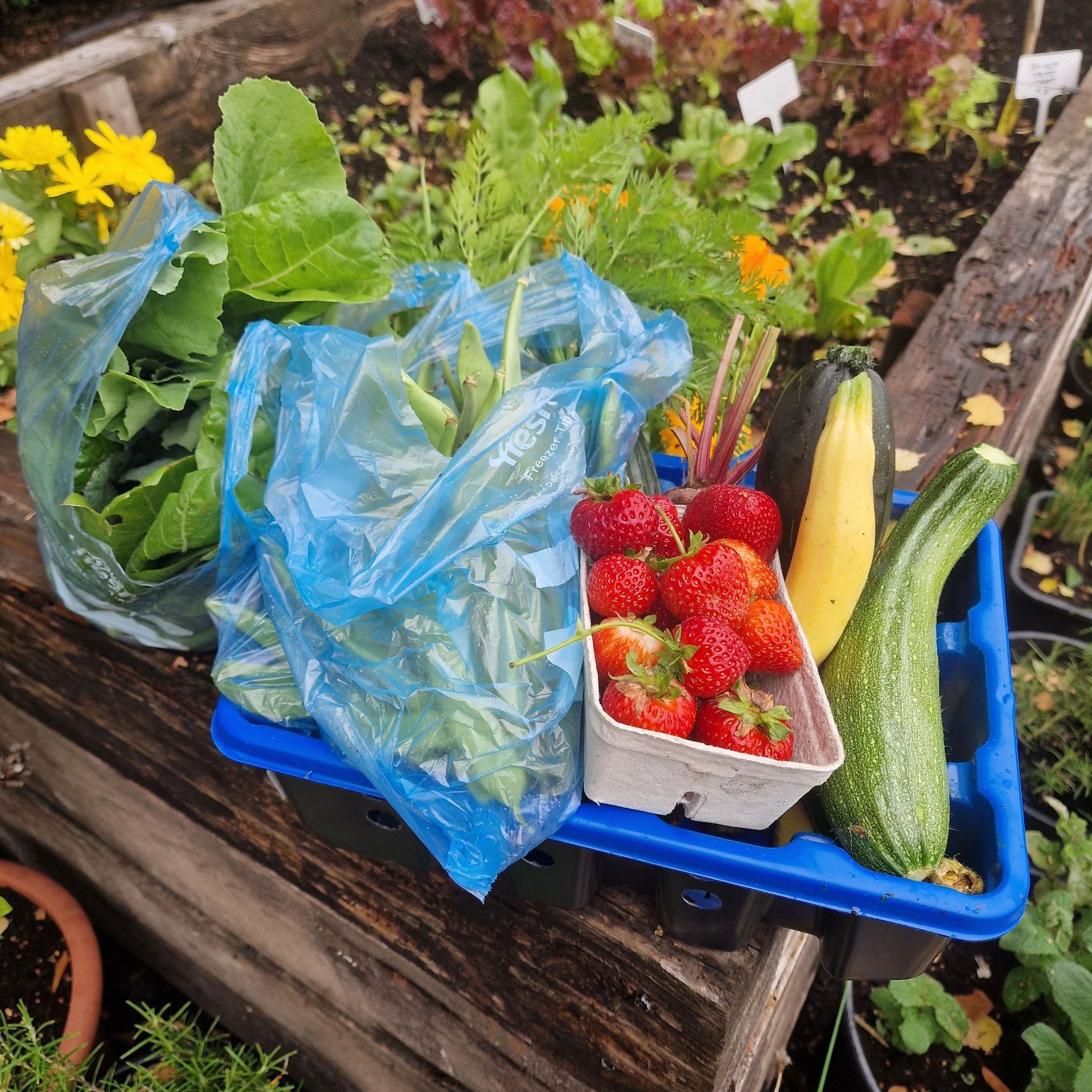
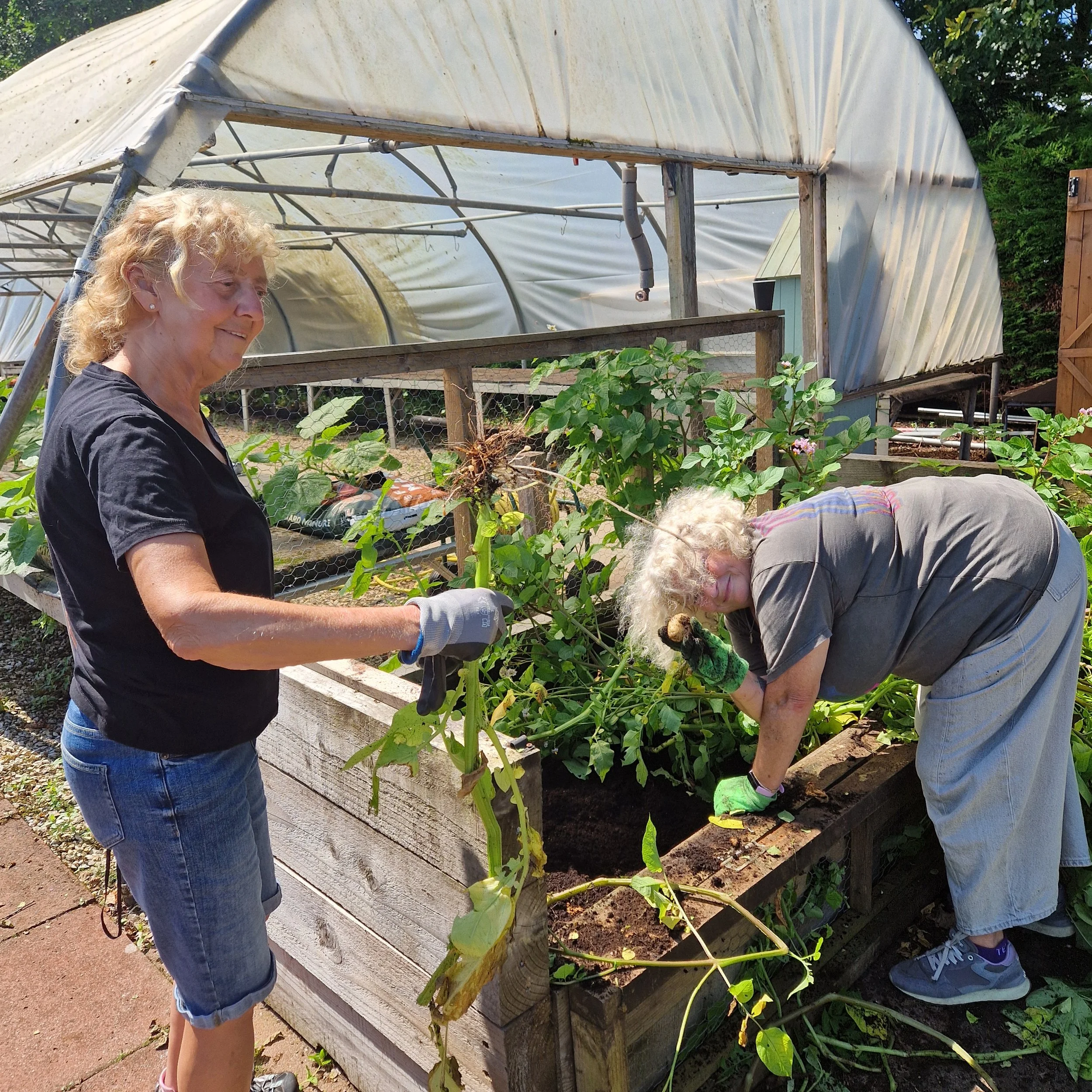
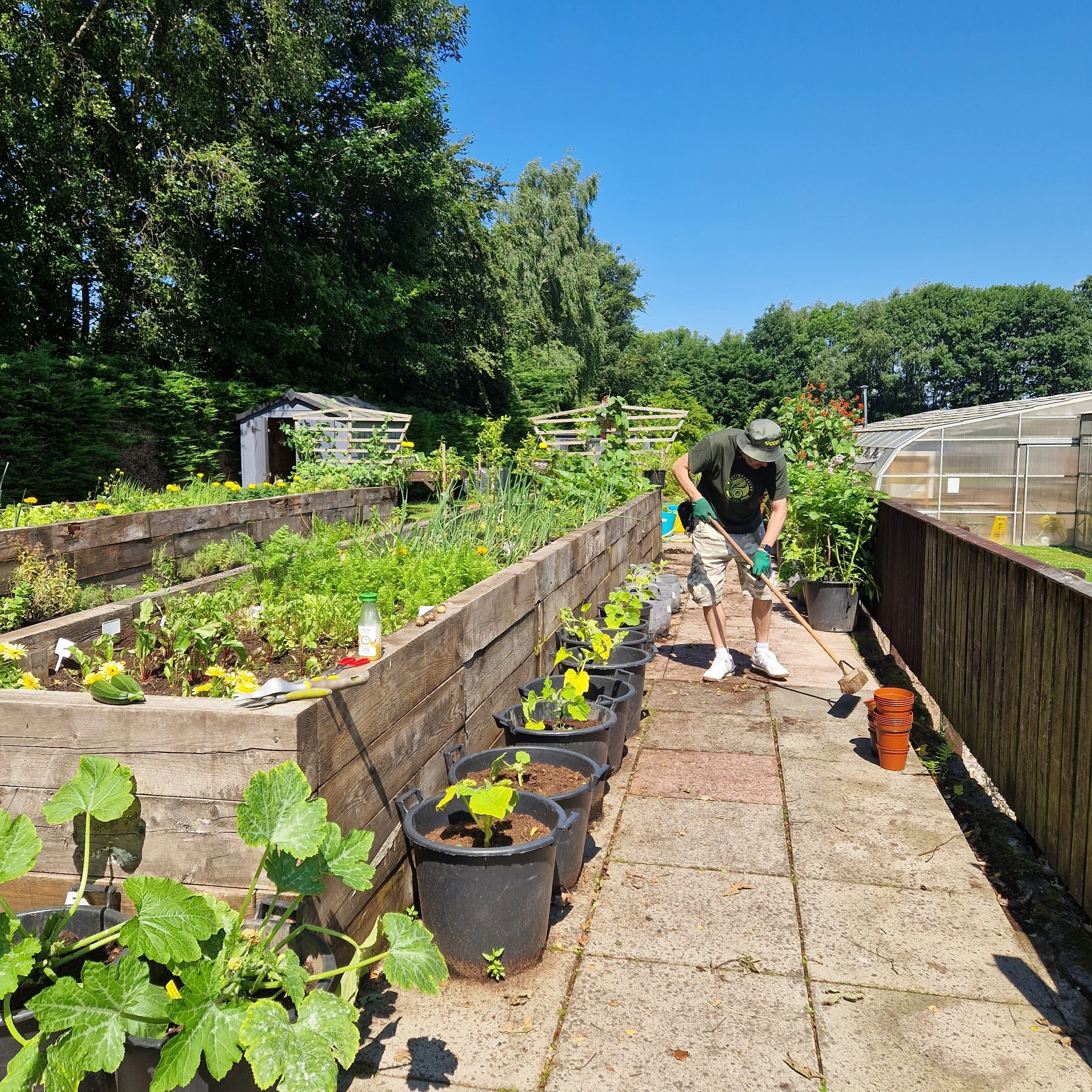
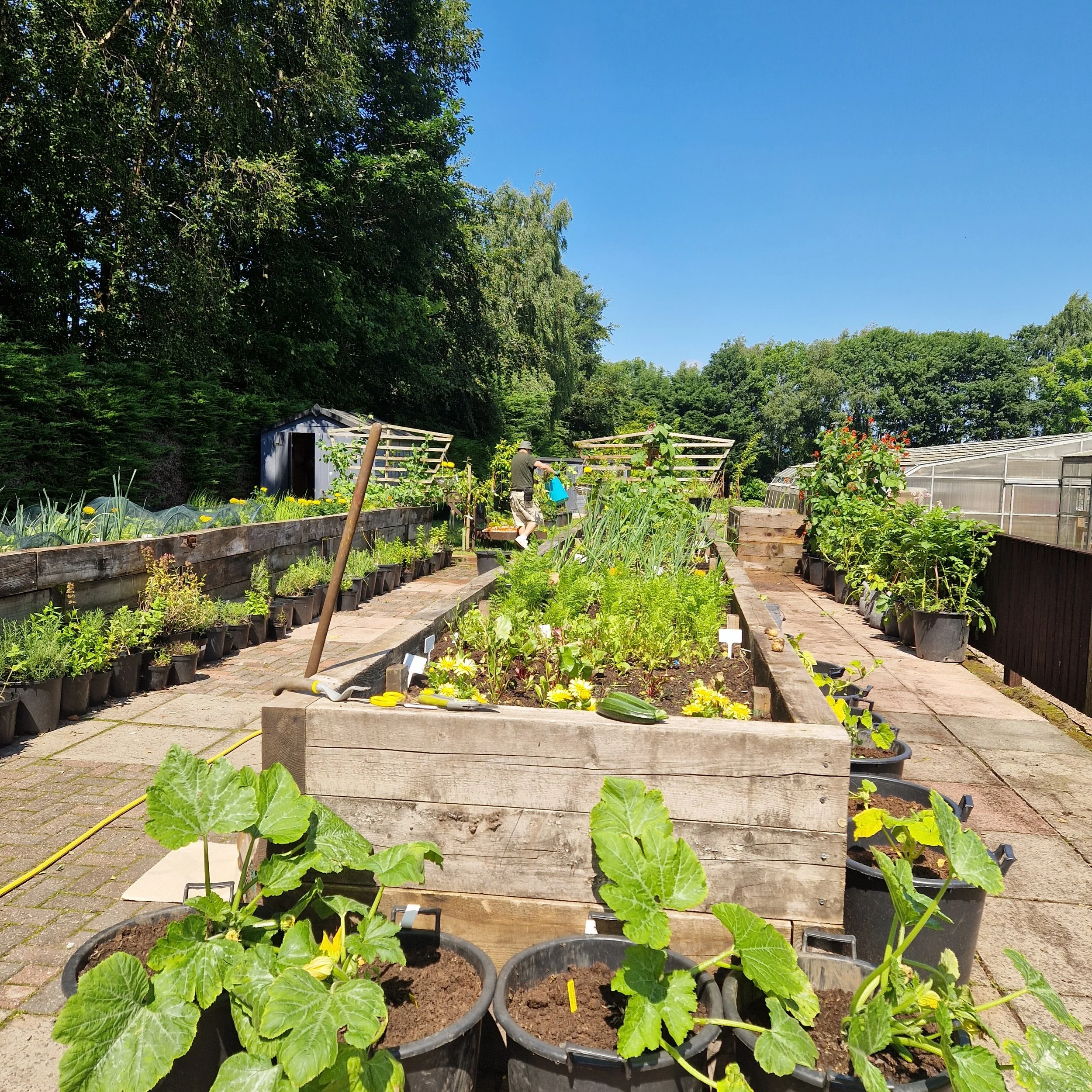
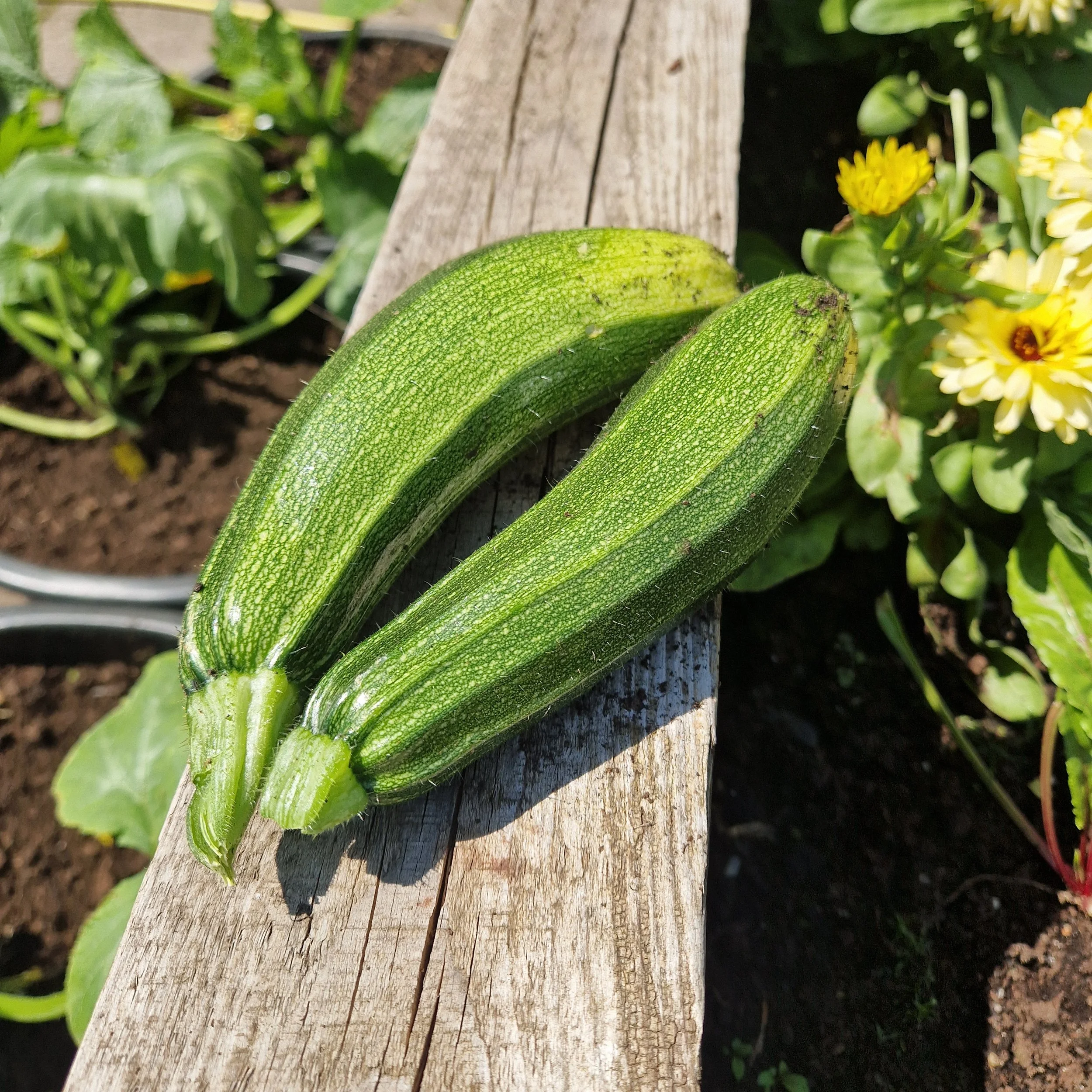
Our volunteers continued their fantastic work at Parklea Allotments throughout July, with five growing sessions focused on maintaining and harvesting the community beds. The allotment is now thriving with a colourful mix of crops, including leafy greens, root vegetables, strawberries, courgettes, kale, chard, herbs, runner beans and peas.
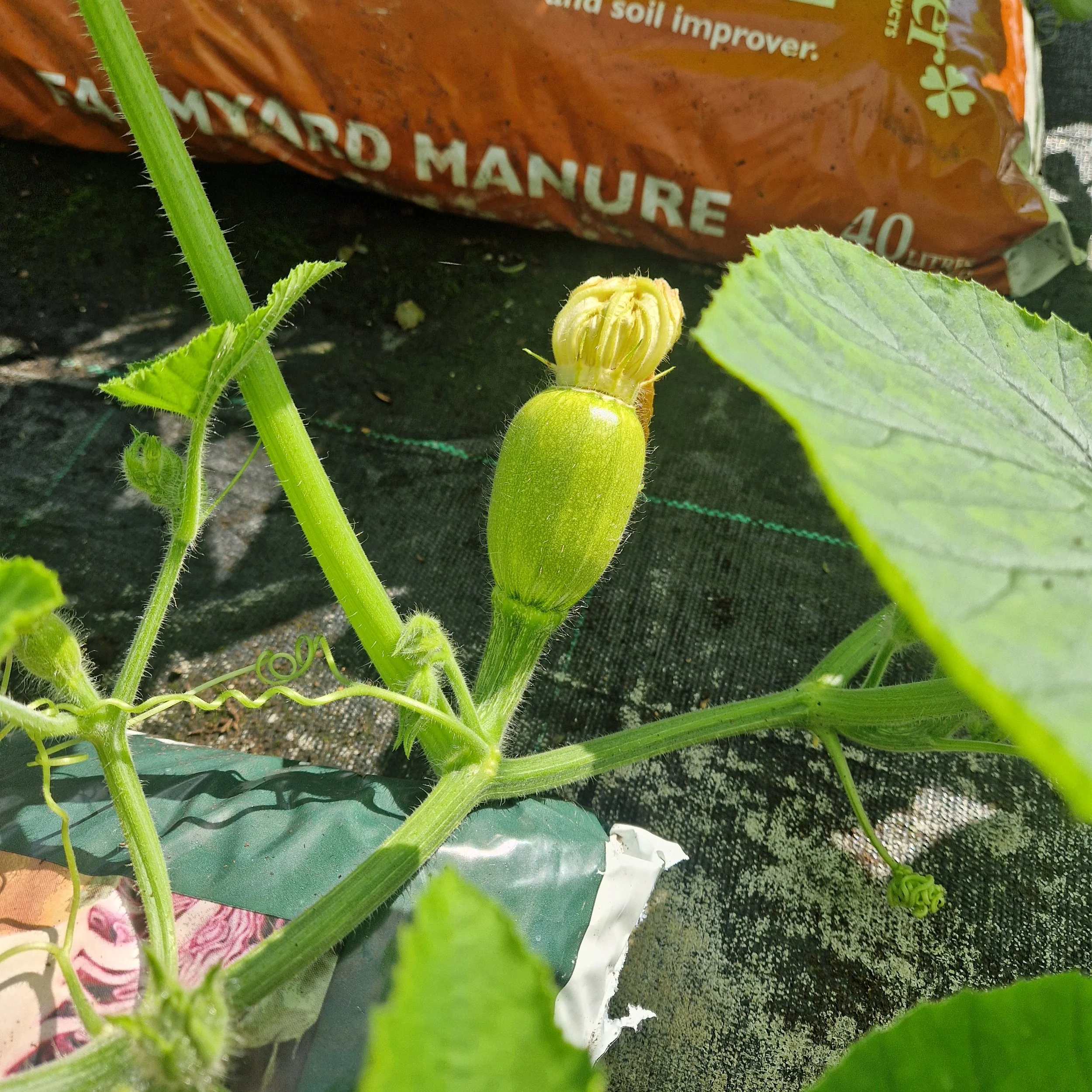
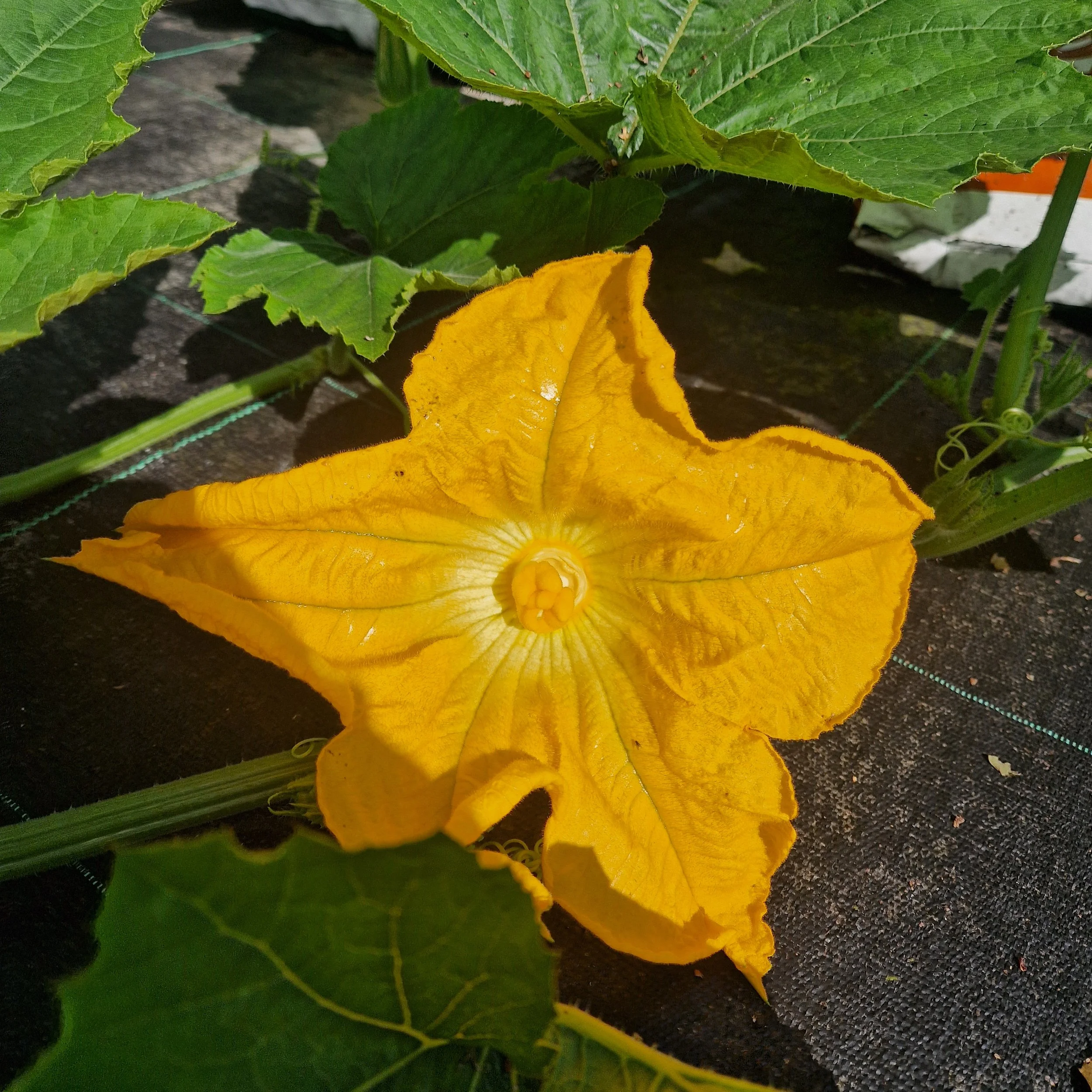
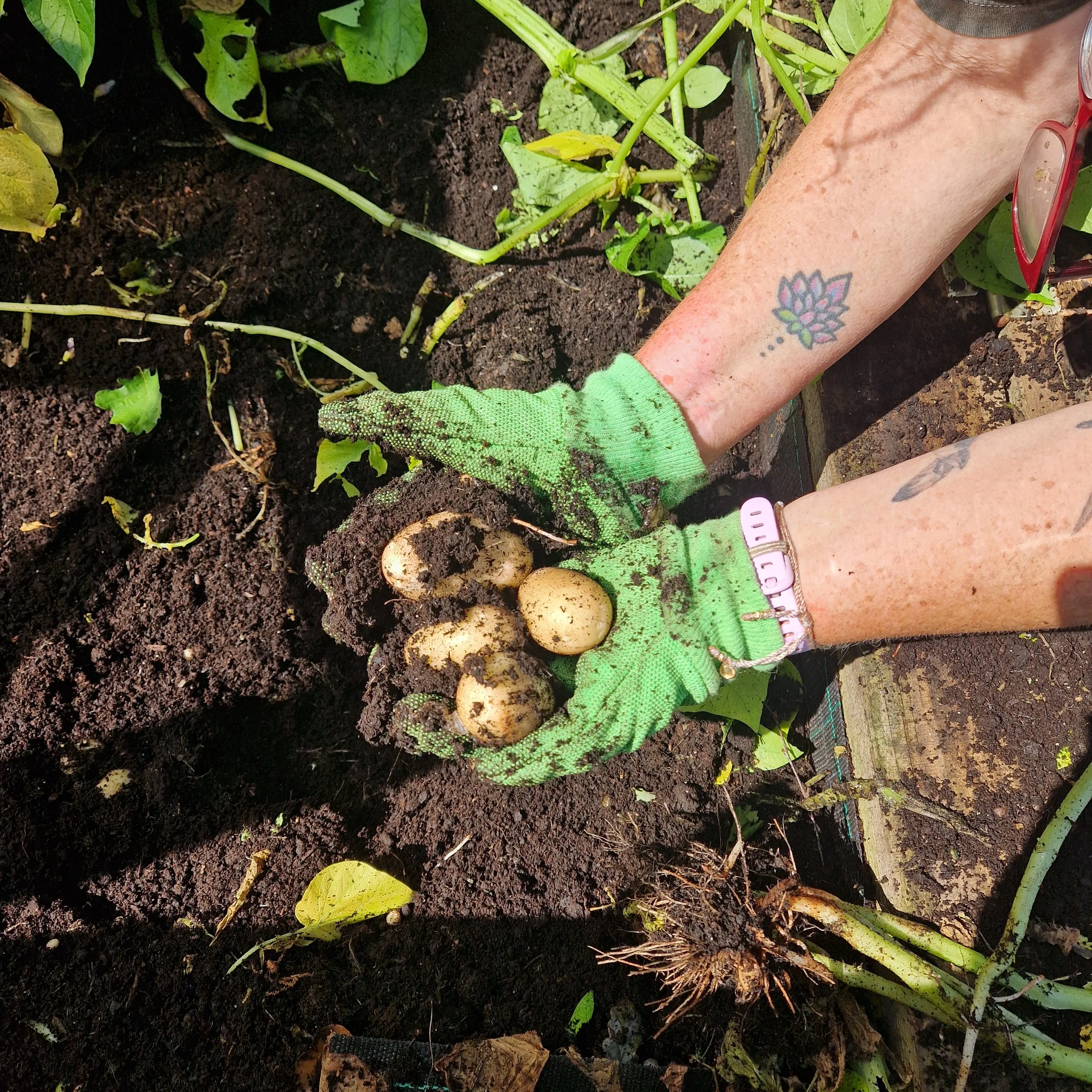
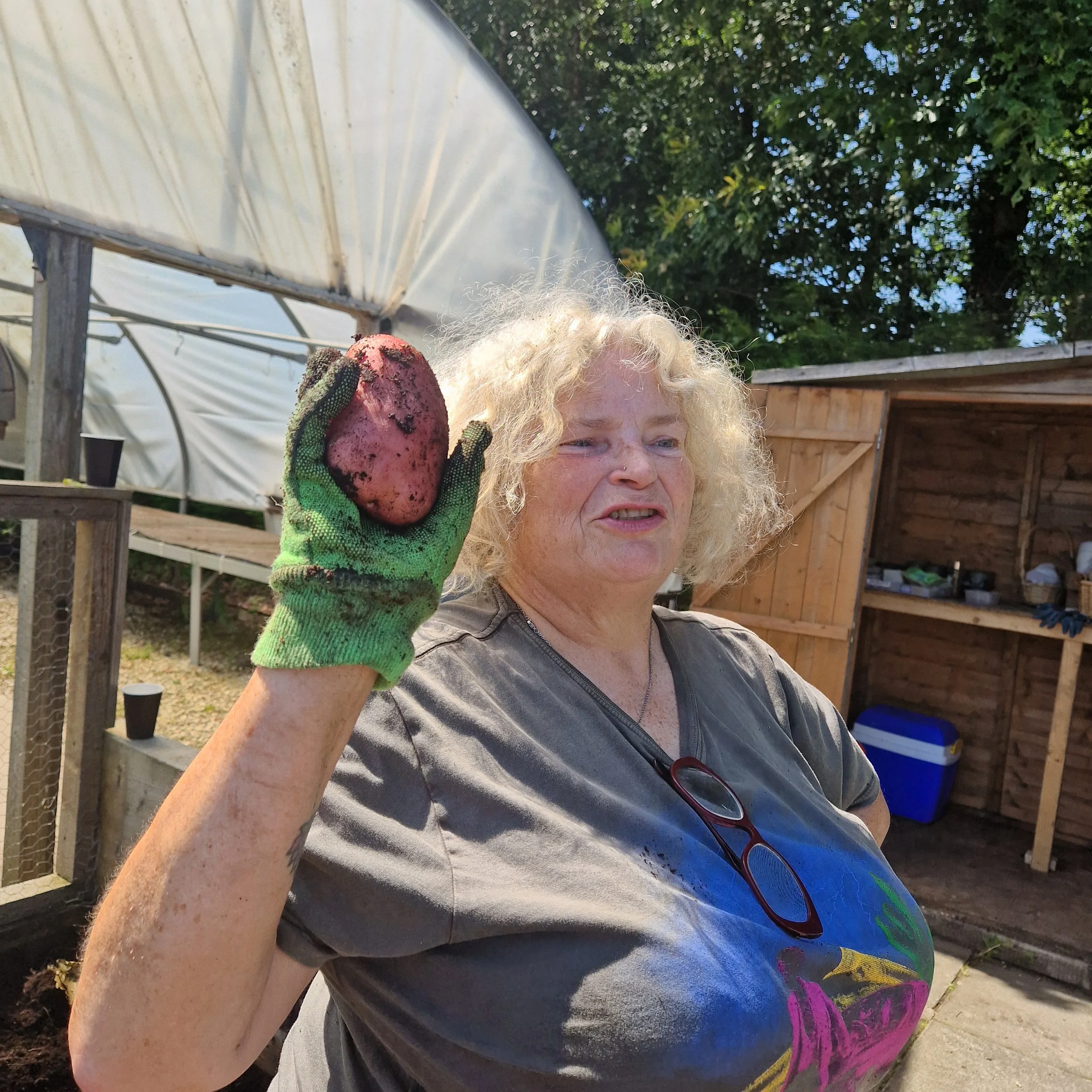
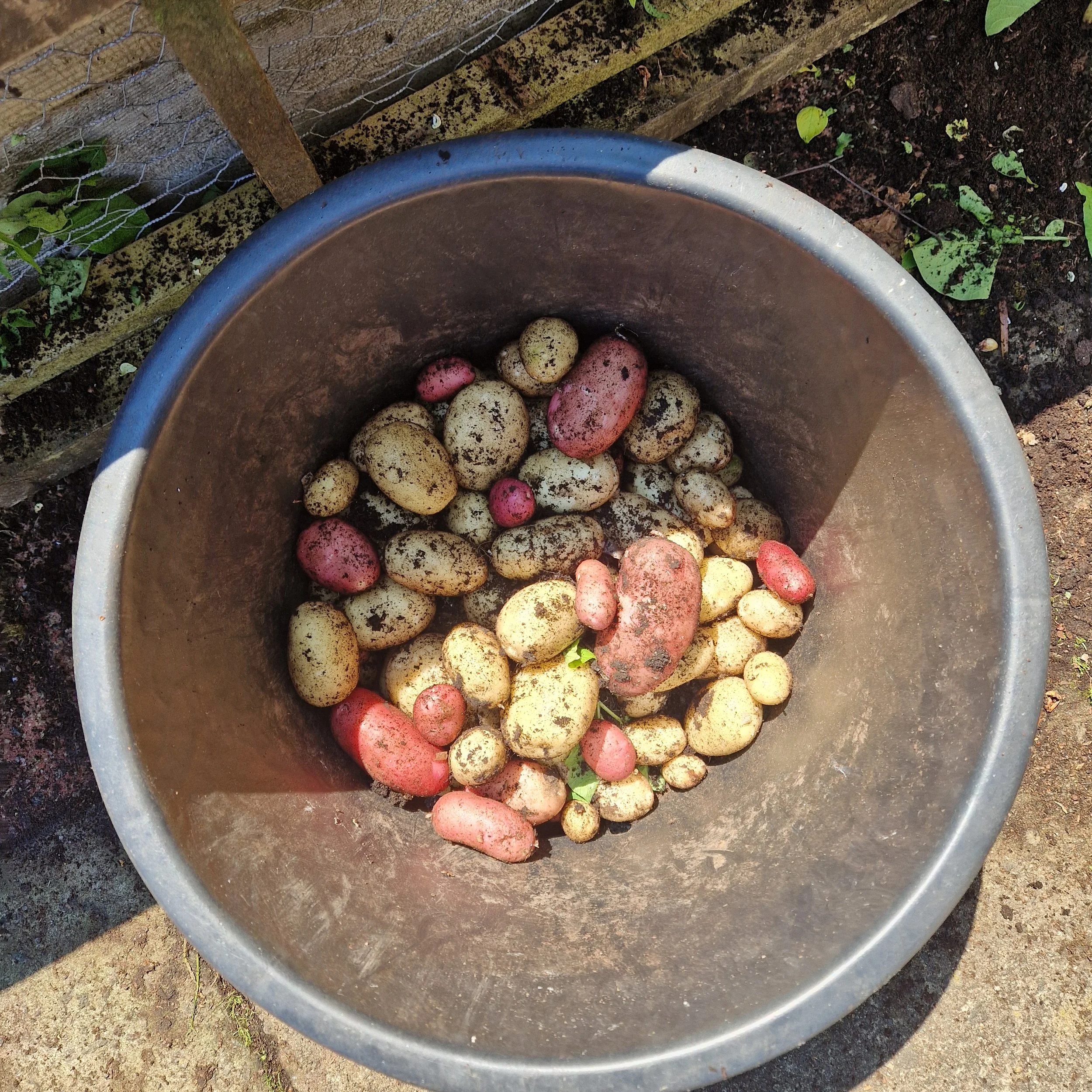
One of the highlights this month was creating a new pumpkin patch, which is already generating excitement for the autumn harvest. We also enjoyed harvesting fresh lettuce for the Parklea café, helping to provide locally grown produce with minimal food miles. New potatoes, including Casablanca and Charlotte varieties, have been particularly successful this year, alongside generous harvests of parsley and other herbs.
Community growing projects such as Parklea provide much more than fresh food. They create opportunities for people to spend time outdoors, be physically active, learn new skills and connect with others. Gardening has well-documented benefits for both physical and mental health, helping to reduce stress, improve wellbeing and combat social isolation. Growing food locally also contributes to climate action by reducing food miles, supporting biodiversity and encouraging more sustainable food systems.
Exploring climate action and health with SCCAN
This month we met with the Scottish Communities Climate Action Network (SCCAN) to discuss their Unbound project, which explores the important links between climate change, health and wellbeing.
The conversation highlighted how community-led climate action can improve people's lives in practical ways, from creating healthier local environments to increasing access to nutritious food and reducing social isolation. We are excited about the possibility of working with SCCAN in the coming months to develop activities that help local people understand the connections between climate action, health and community resilience.
Soup bag sessions in Early Learning Centres
July saw us deliver our popular Soup Bag activity sessions at Rainbow, Larkfield, Wellpark, Glenbrae and Binnie Street Early Learning Centres.
The sessions introduced children to healthy, plant-based ingredients through fun and interactive learning. Using carrots, tomatoes, courgettes and chickpeas, children took part in a pretend shopping activity before receiving a soup bag to take home and cook with their families.
These sessions encourage children to develop positive relationships with healthy foods from an early age while building confidence around cooking and food preparation. By promoting simple, affordable recipes based on vegetables and pulses, we are helping families explore nutritious plant-based meals that are good for both people and the planet.
Food education activities such as these support healthy eating, reduce reliance on highly processed foods and encourage families to cook from scratch. They also help children understand where food comes from and how our food choices can contribute to a more sustainable future.
Funding bids
In July we submitted an application to the Inverclyde Climate Action Network's Empowering Communities for Climate Action 2026-27 fund to continue and expand our food waste project.
The project aims to reduce the amount of edible food going to landfill while supporting local people experiencing food insecurity. By redistributing surplus food within the community, we can tackle both environmental and social challenges at the same time.
We look forward to hearing the outcome and hope to build on the success of the project over the coming year.
Four tonnes of food waste saved
Our dedicated volunteers continued to collect and deliver surplus supermarket food throughout July, helping to ensure good food reaches local people instead of ending up in landfill.
We were delighted to report that between April and June alone, an incredible 4 tonnes of food waste were diverted from disposal and redistributed within Inverclyde.
This achievement demonstrates the power of community action. By rescuing surplus food, volunteers are helping to reduce greenhouse gas emissions associated with food waste, while also supporting households with access to nutritious food. The project brings environmental, social and economic benefits, reducing waste, strengthening community connections and helping people make the most of available resources.
A huge thank you goes to all of our volunteers, partners and supporters who make this work possible. Together, we are building a healthier, more sustainable and more resilient Inverclyde.